
The Best of AI Image Generation
(2026 Edition)
AI-generated photography has reached a point where it can feel indistinguishable from real life. Lighting, skin texture, fabric detail, and even emotional expression can now appear natural and effortless. The following gallery highlights what modern AI image tools are capable of producing as of 2025, from street-style portraits and editorial fashion to surreal compositions that still feel believable.
These examples demonstrate how AI can mimic the randomness of reality: uneven hair, natural wrinkles in clothing, dust on shoes, imperfect environments, and soft light transitions. The goal is not to replace real photography, but to show the new visual language emerging from AI creativity.
What Makes These Images Feel Real?
The realism in these images comes from small, natural imperfections—loose hair, uneven light, varied fabric folds, casual posture, and believable environments. AI has learned to avoid overly smooth skin, symmetrical features, and unrealistic lighting that once exposed artificial generation.
Instead of “perfect” images, the models now produce scenes that look lived-in. The emotional tone—calm, joyful, candid, or introspective—comes through in the pose and environment, not from forced expression. This shift from technical imitation to emotional nuance is what defines the current generation of AI visuals.
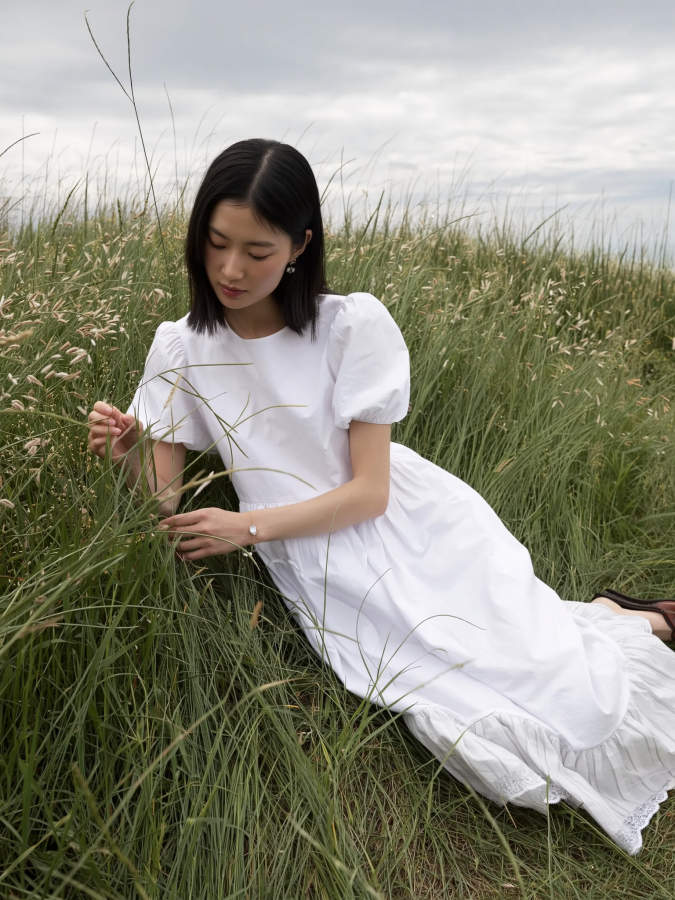
Image 1
A minimalist countryside portrait in white cotton. The background depth, delicate highlights on the fabric, and the gentle pose create an atmosphere of calm. The composition appears effortless and unforced.
The image also demonstrates how AI can now handle environment-to-subject blending, matching lighting direction and color temperature between the sky, field, and skin tones to create a unified mood.

Image 2
A playful close-up shot with a loose summer dress and bright greenhouse light. The spontaneity and expression sell authenticity, capturing the moment as if it were candid.
Note how the texture of fabric, teeth reflections, and minor skin shine all appear consistent with real lighting conditions. Modern AI no longer defaults to airbrushed perfection; it allows texture to remain.
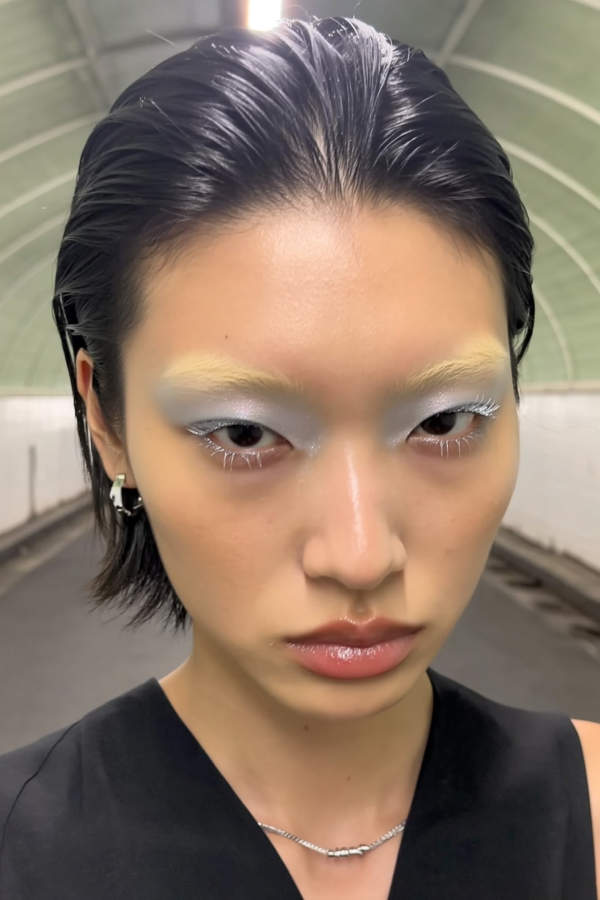
Image 3
A high-fashion, slightly avant-garde portrait with cool lighting. The wet hair and pastel eye makeup contrast strongly with the tunnel background, creating editorial tension.
This example shows that AI can now generate complex lighting environments, multiple blended light sources, reflective surfaces, and shadow consistency across the face and clothing, all without visible distortion.

Image 4
A casual hotel-room dining moment, with warm indoor light and soft robe textures. The shadows fall naturally across the face and fabric, and the plate of food retains realistic moisture and gloss.
Emotion and lifestyle cues are well balanced here: relaxed posture, cozy setting, and controlled specular highlights make the scene feel lived-in and personal.
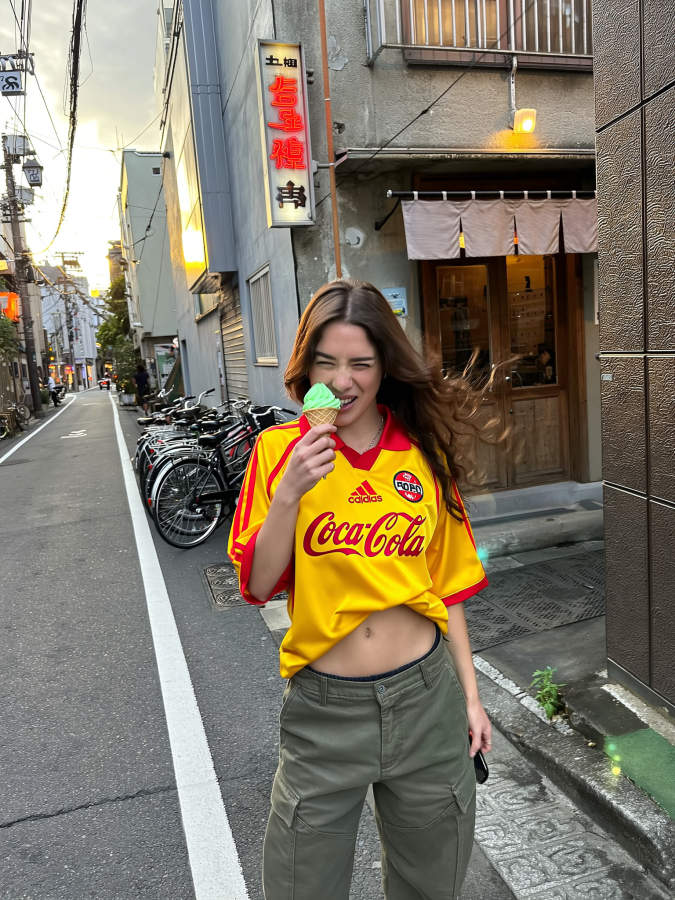
Image 5
Outdoor street-style image captured at golden hour. The hair movement, facial expression, and slight blur from natural motion add life to the composition.
Notice how the environment is also grounded: storefront signage, pavement texture, bicycles, all rendered with consistent scale and perspective. AI now performs well in full-scene cohesion.
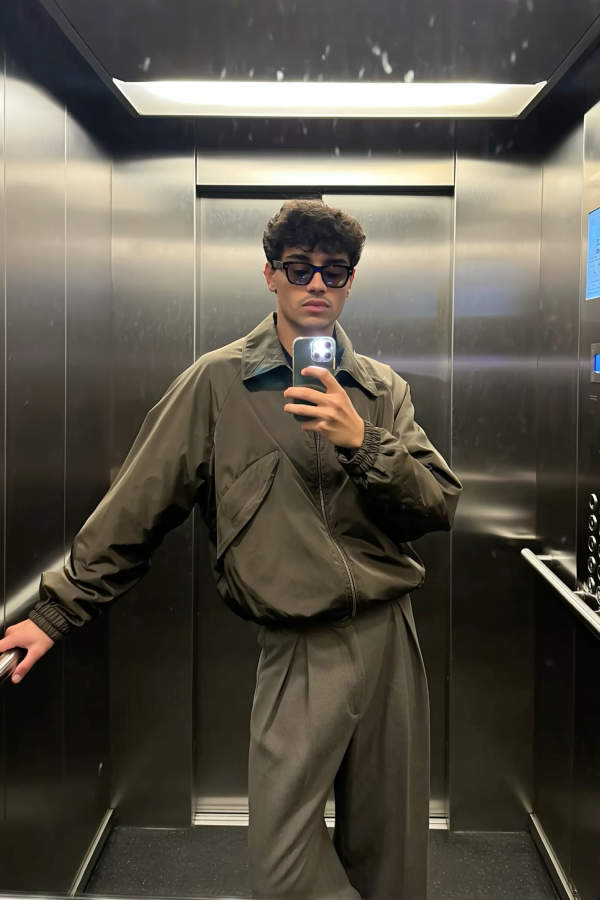
Image 6
Elevator mirror selfie with a monochromatic outfit. This type of reflective environment used to reveal AI flaws immediately. Here, reflections align, panel seams make sense, and the camera interaction is believable.
This demonstrates progress in spatial accuracy, the model understands geometry, perspective, and light bounce inside confined spaces.
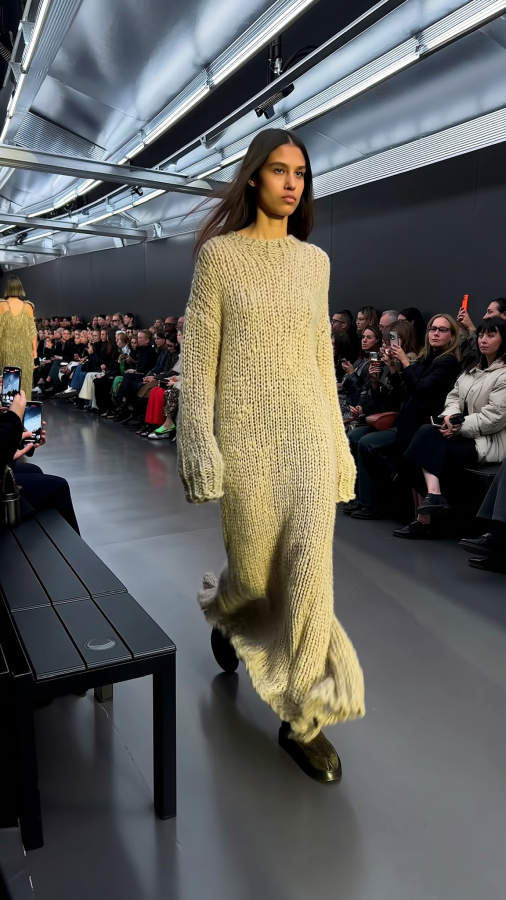
Image 7
Runway fashion shot. The motion of the dress, the audience in the background, and the long corridor lighting all feel authentic to real fashion show environments.
The challenge here is crowd realism, which is handled surprisingly well. Faces in the background vary naturally instead of repeating patterns.

Image 8
Outdoor café portrait at sunset. The warm tones on the coat, the lipstick saturation, and the hard sunglasses shadows reflect real-world late-afternoon lighting conditions.
Subtle environmental reflections, such as the light catching on the cup and table, enhance believability. Small details like these are where earlier AI failed, and where 2025 models now excel.
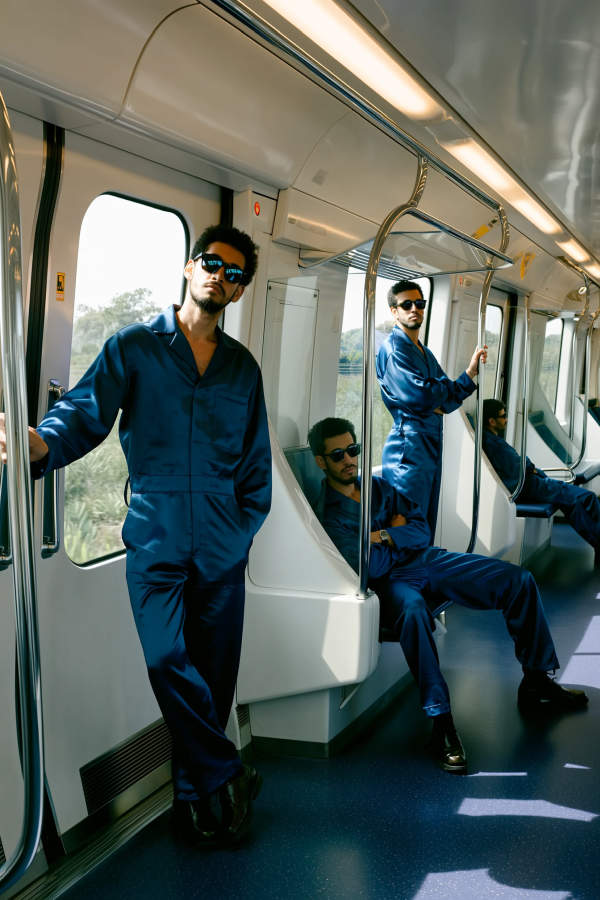
Image 9
A staged conceptual shot inside a clean modern train interior. The mirrored figures and posture variations create a surreal yet cohesive aesthetic.
This image highlights how AI can now compose multi-subject scenes without merging or deforming body structures, a major advancement over models from just a year ago.

Image 10
Seated street-style portrait with soft daylight, neutral tones, and relaxed expression. The realism comes through in the folds of the satin blouse, the uneven sidewalk textures, and the casual posture. The scene feels spontaneous rather than posed.
The key strength here is natural imperfection, slightly tousled hair, subtle facial asymmetry, and shadow gradients that feel organic. This level of detail is what modern models are now able to reproduce reliably.
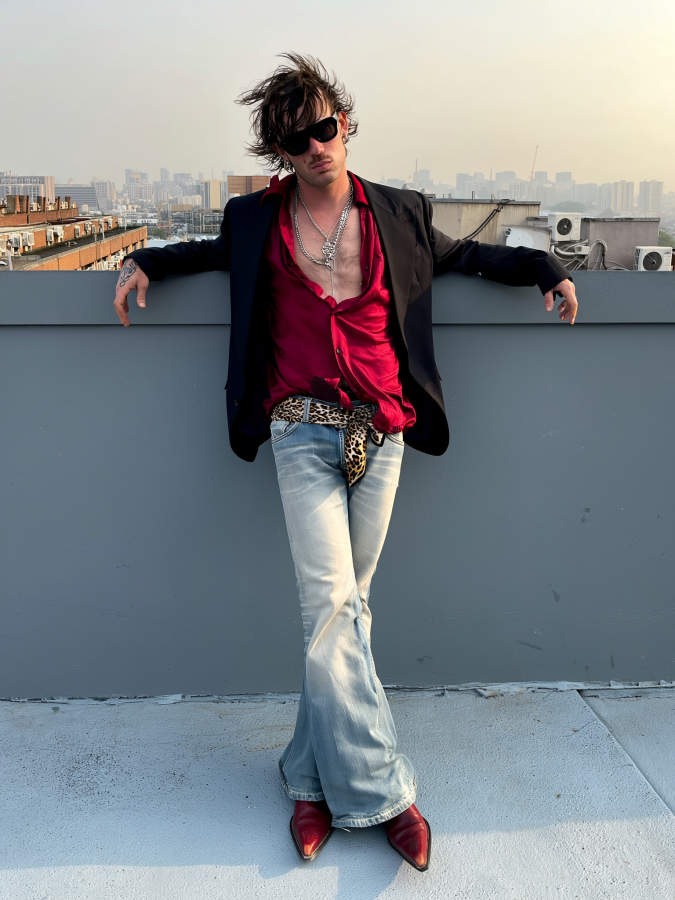
Image 11
A rooftop portrait with a confident stance and vintage rock-inspired styling. The flared jeans, layered jewelry, and unbuttoned shirt create a strong character silhouette, while the hazy skyline adds mood.
This image demonstrates AI’s ability to build personality and attitude, not just visuals. The wind in the hair, relaxed pose, and environment context work together to convey a distinct identity and story.

Image 12
A business-class interior scene with controlled mood lighting. The glass, leather seat texture, and sleek suit details are rendered with impressive clarity. The framing feels like a still from a lifestyle editorial.
This showcases AI’s strength in material accuracy, reflective surfaces, stitched fabric, and subtle gradients of shadow are consistent and realistic, especially in a low-light cabin environment.

Image 13
A golden-hour rooftop selfie with warm sunlight coloring the skin and background. The expression is relaxed and joyful, and the subtle glow on the face creates a strong emotional tone.
AI now captures sunlight warmth and environment color bleed extremely well. The orange reflectivity on the skin is accurate to real sunset lighting, which is something older models struggled to reproduce convincingly.

Image 14
A cozy morning-in-bed composition featuring books, breakfast, and a bathrobe. The natural shadows on the sheets and the slight movement in the robe fabric keep the scene grounded.
What makes this effective is the intentional softness, the image feels restful, calm, and undramatic. AI has learned how to suggest mood through subtle cues instead of exaggerated detail.

Image 15
A beach portrait at sunset with a striking color gradient in the sky. The warm tones on the skin and the flower tucked behind the ear add to the resort-like atmosphere.
The image shows how AI now excels at complex sky rendering and reflective light on skin, creating a believable transitional lighting effect where natural and artificial light combine smoothly.

Image 16
A coastal boardwalk portrait with a scarf tied elegantly. The tone is reminiscent of classic film photography, soft, refined, and slightly nostalgic.
Here, AI demonstrates the ability to suggest era or stylistic influence. The muted palette and timeless styling evoke a specific cultural mood that feels curated rather than generic.
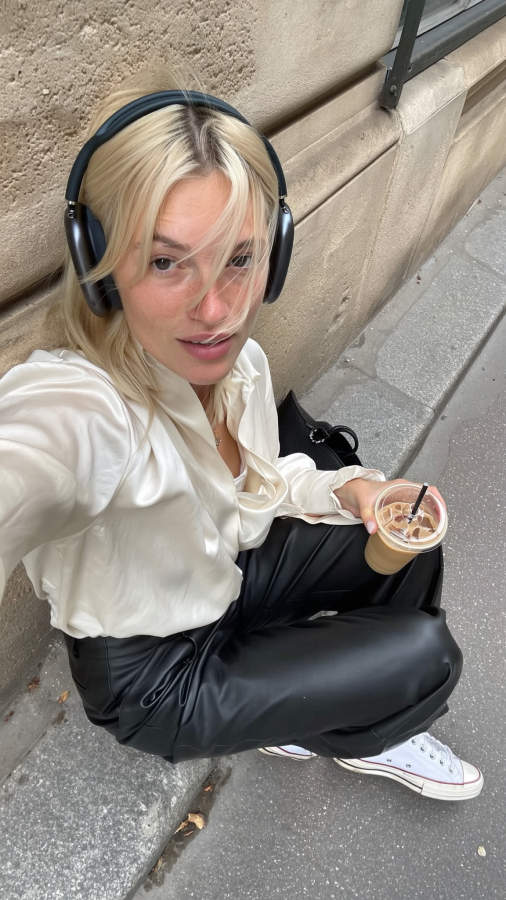
Image 17
A casual street snapshot with headphones and iced coffee, styled around everyday movement. The strands of hair across the face and the tilt of the camera give this image authenticity.
This is AI recreating candid realism, the imperfections and spontaneity look intentional, avoiding the overly posed or polished look older models defaulted to.

Image 18
A relaxed coffee break pose in a bookstore environment. The open shirt and layered necklaces create character depth, while the background shelves add real-world grounding.
This demonstrates how AI can now maintain sharp subject focus while keeping the environment coherent, preserving depth and avoiding background distortion.
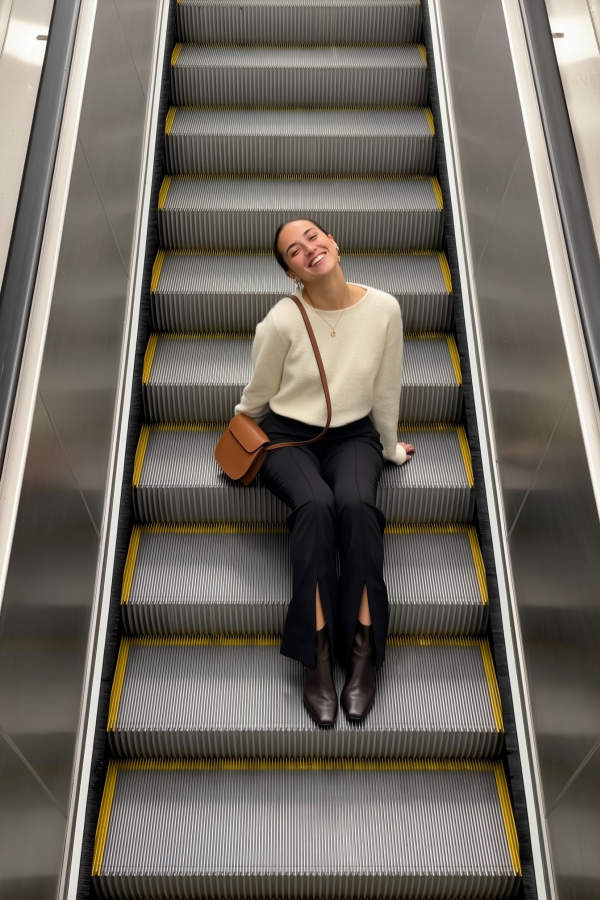
Image 19
Seated mid-escalator, smiling upward. The metal steps, yellow safety line, and overhead lighting are captured cleanly without warping or repeating patterns, which historically were difficult for AI to render.
The combination of industrial setting and warm human expression shows how AI can create contrast, hard environment versus soft emotion, resulting in a visually engaging moment.

Image 20
A person walks barefoot along a wooden boardwalk surrounded by lush tropical greenery, carrying what appears to be a rolled-up mat. The scene feels quiet and natural, as if captured during a relaxed moment in a forest retreat or nature escape.
What’s striking about this image from an AI perspective is the clean, balanced composition and perfect lighting throughout, which can be a subtle indicator of generative imagery. The uniform detail in both the foliage and human subject creates an almost idealized look that slightly deviates from typical spontaneous photography.