
How to Spot AI
This guide shows quick ways to recognize AI-generated visuals and online identities. The goal is awareness, not fear.
Each section pairs an infographic with simple clues you can use anywhere.
1. Can you tell the difference?
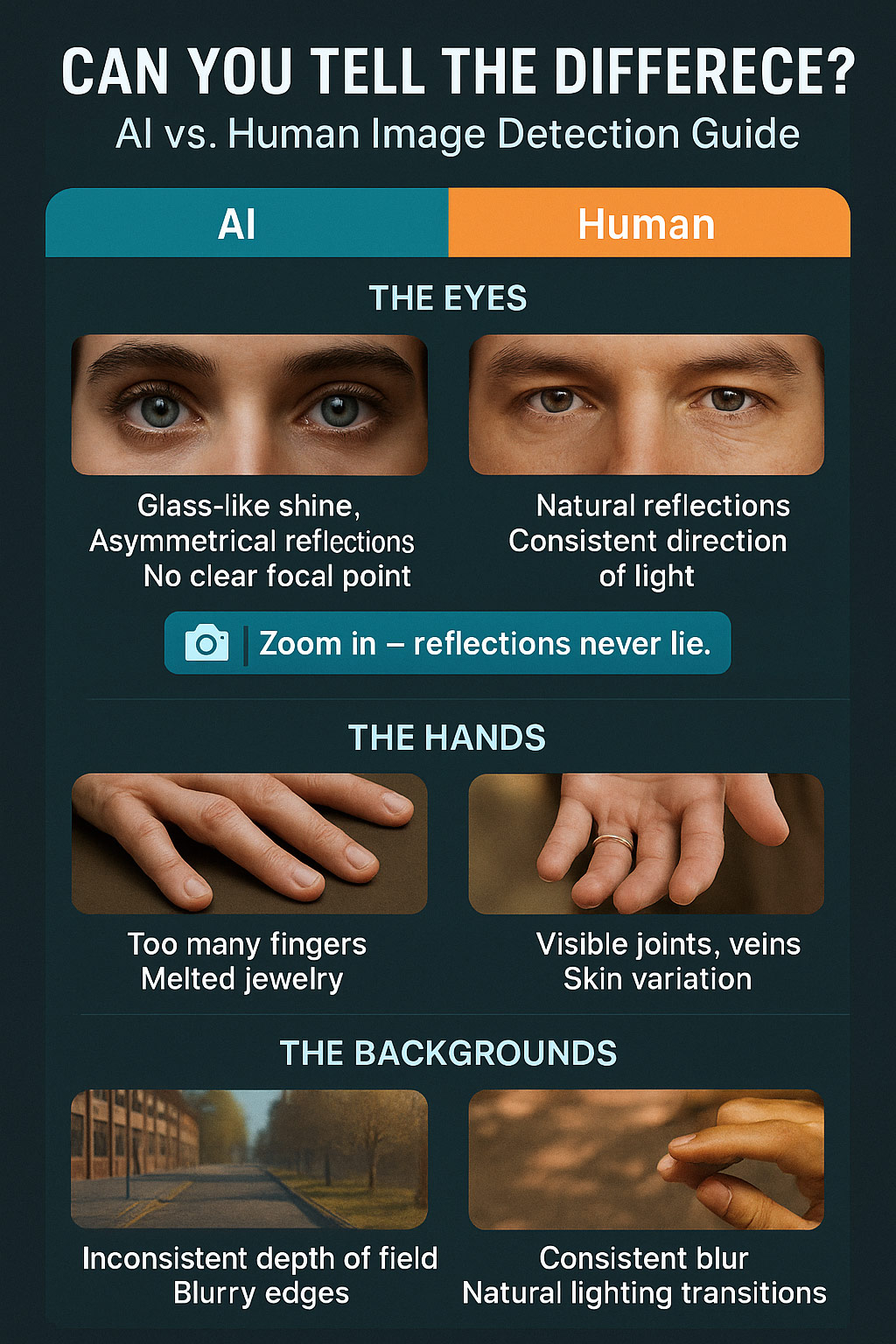
AI images often miss natural symmetry, reflections, and anatomy. Eyes may look glassy, highlights can disagree, and fingers may have odd shapes.
Humans show natural variation, small imperfections, and lighting that behaves consistently. When unsure, zoom into reflections and edges.
2. Top AI image generators
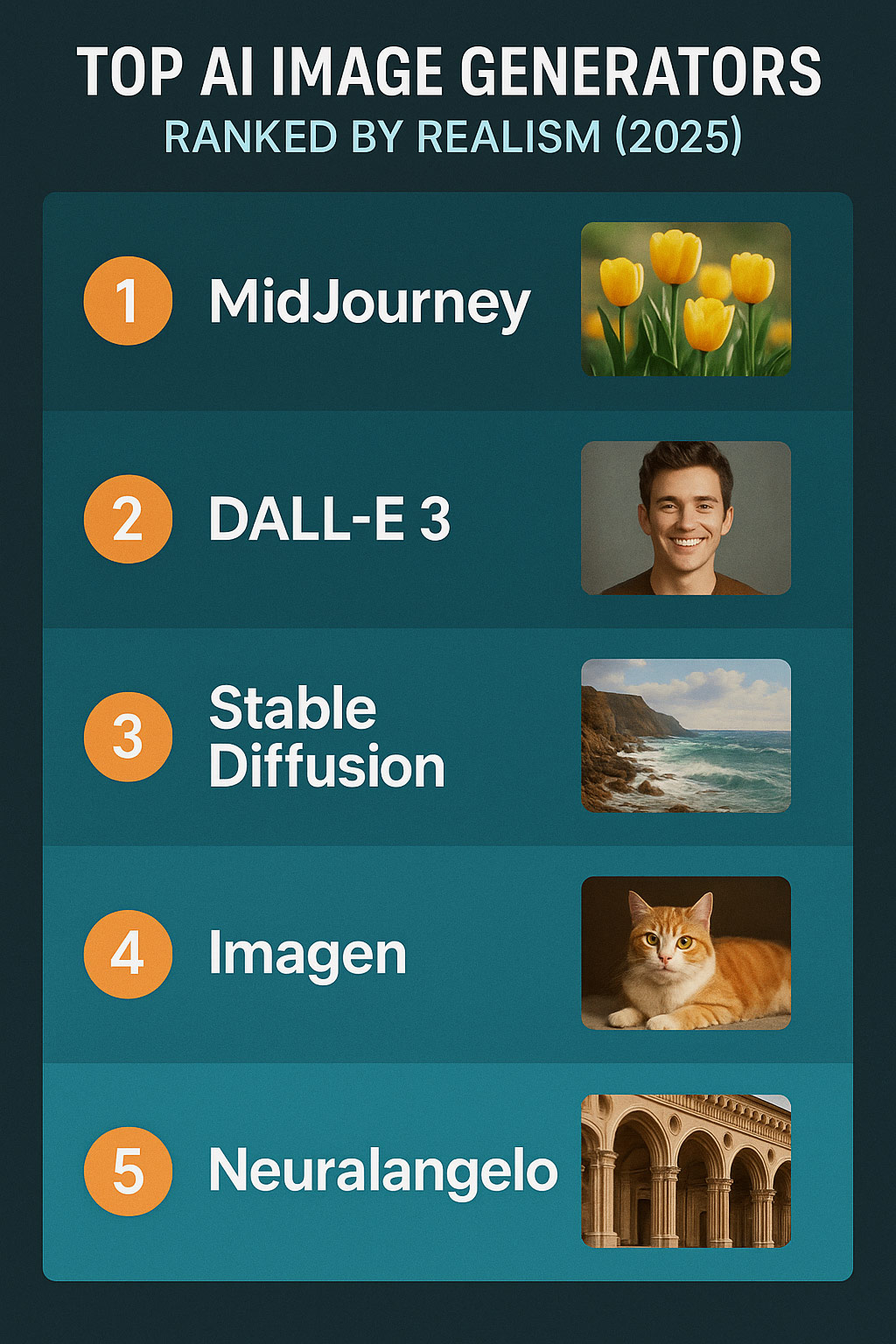
Tools like MidJourney and DALL-E are strong at lighting and texture. Open systems such as Stable Diffusion enable deep control, but can need extra tuning for realism. Knowing each tool’s “look” helps you spot it.
3. How scammers use AI faces
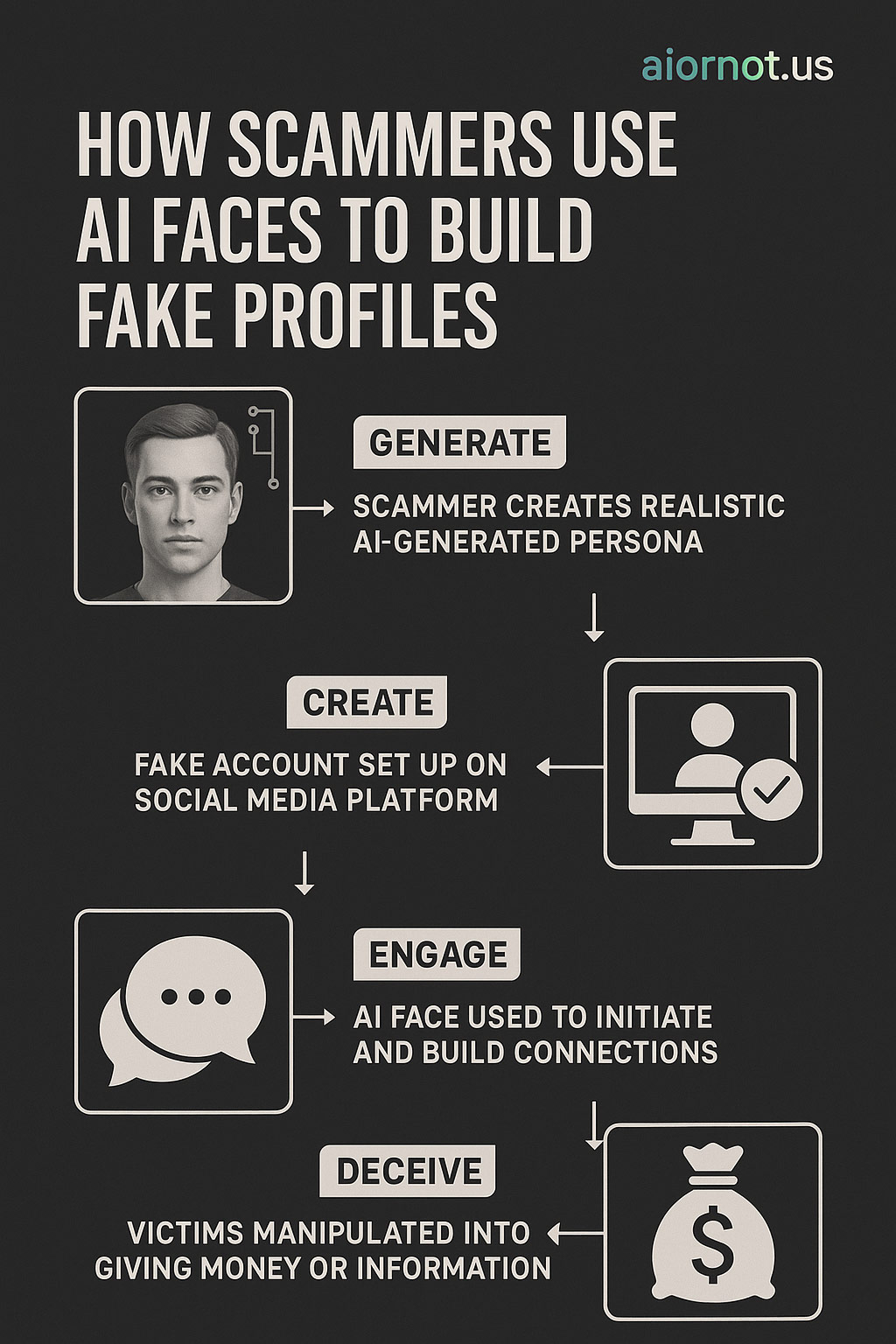
Scammers craft friendly, trustworthy personas, then move chats to private channels. Detecting generated faces early reduces risk.
4. AI detection accuracy
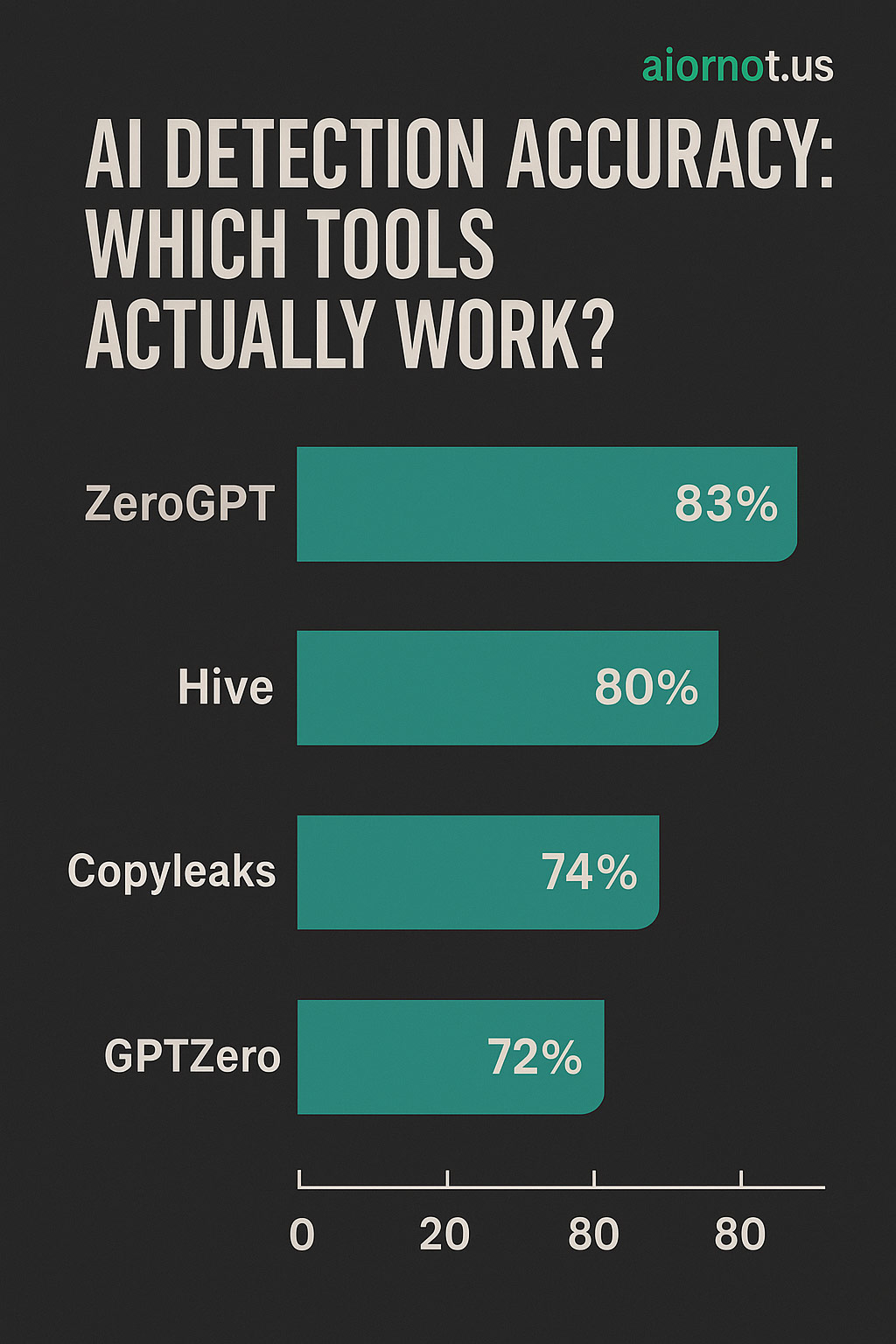
Detectors help, but none are perfect. Combine visual checks, metadata review, and context instead of relying on a single score.
5. The evolution of AI image generation
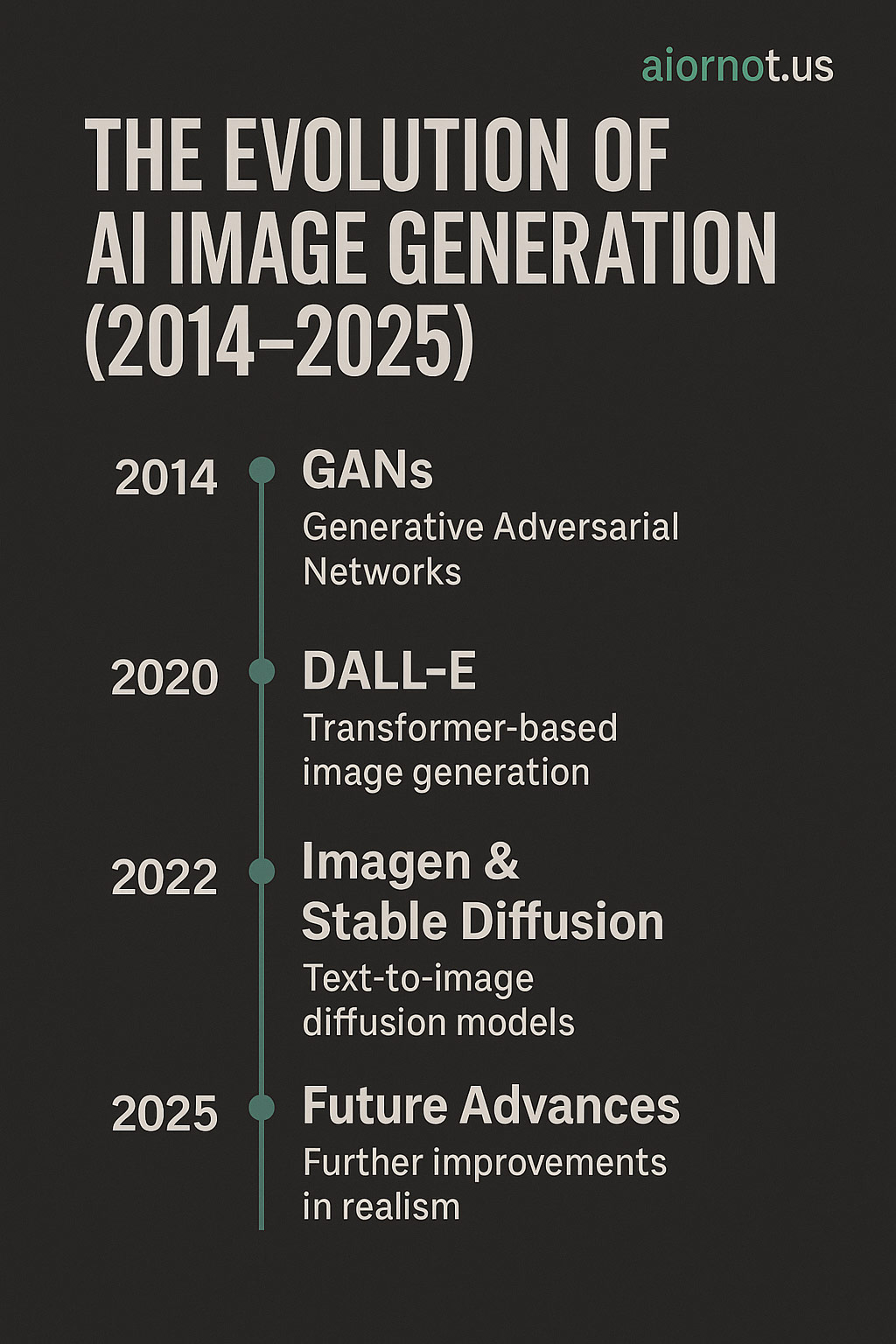
From early GANs to modern diffusion, realism keeps improving. What looks “obviously AI” today may look convincing next year, so keep your checklist current.
6. Human vs AI perception
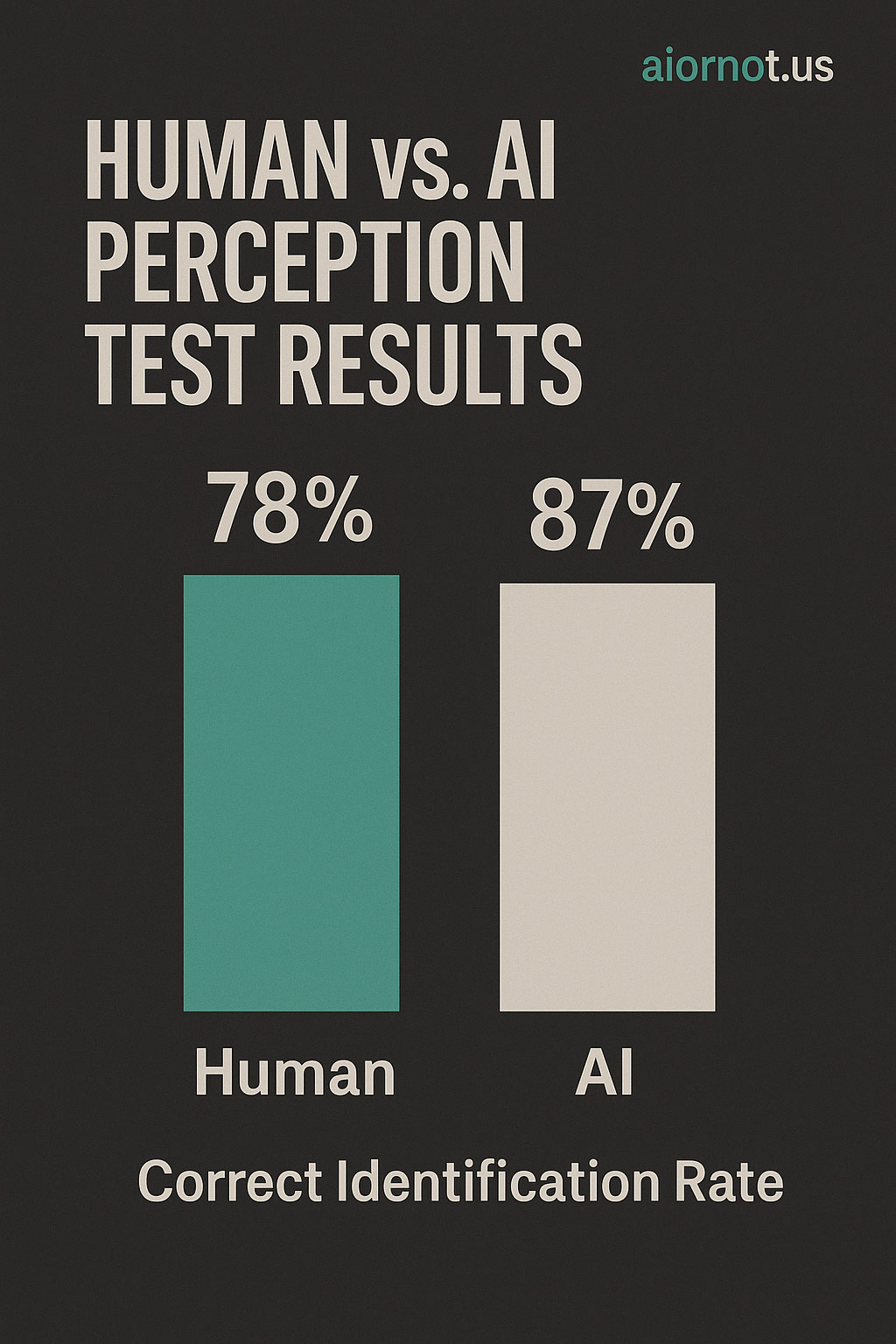
Machines catch pixel-level patterns. People are better at spotting emotion, expression mismatches, and awkward poses. Use both perspectives.
7. AI in advertising
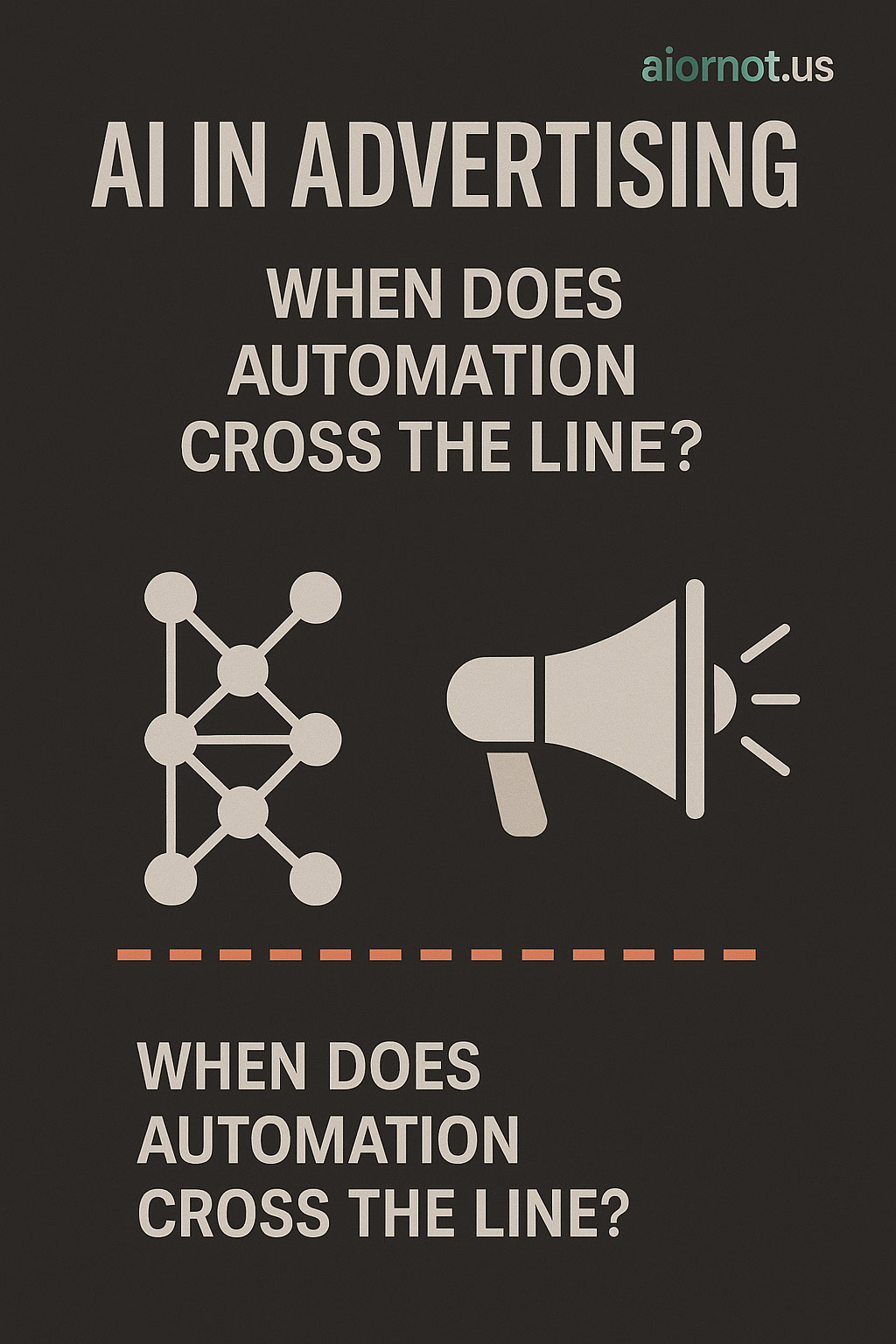
AI can scale creative work quickly. Problems start when audiences are not informed or personas are fabricated to persuade without disclosure.
8. The ethics pyramid
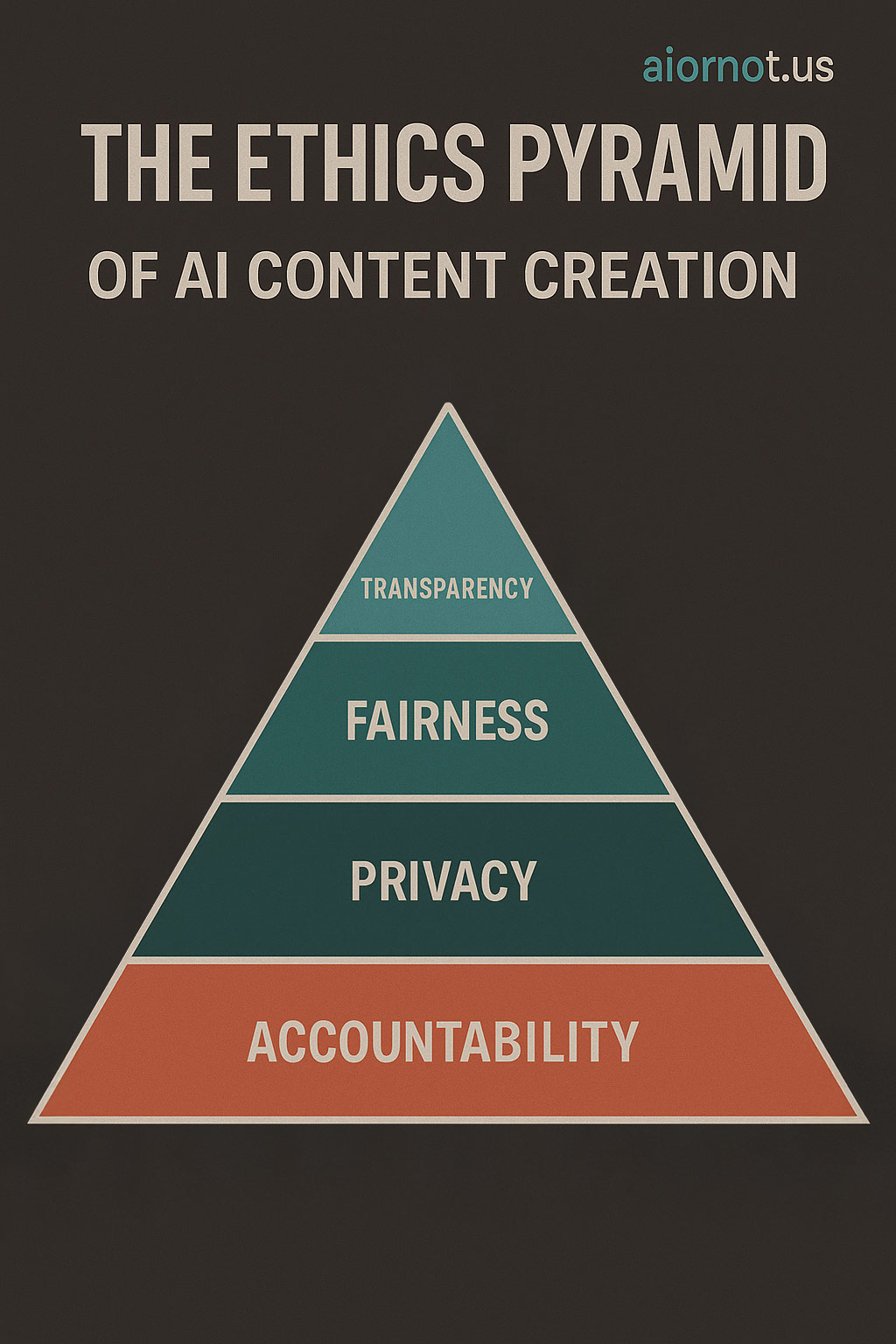
Accountability, privacy, fairness, and transparency are the base. Responsible creators label AI use and avoid deception.
9. Real vs AI engagement

AI engagement can spike numbers, but often lacks depth. Real communities grow slower, feel human, and sustain conversation quality.
10. How AI scams work
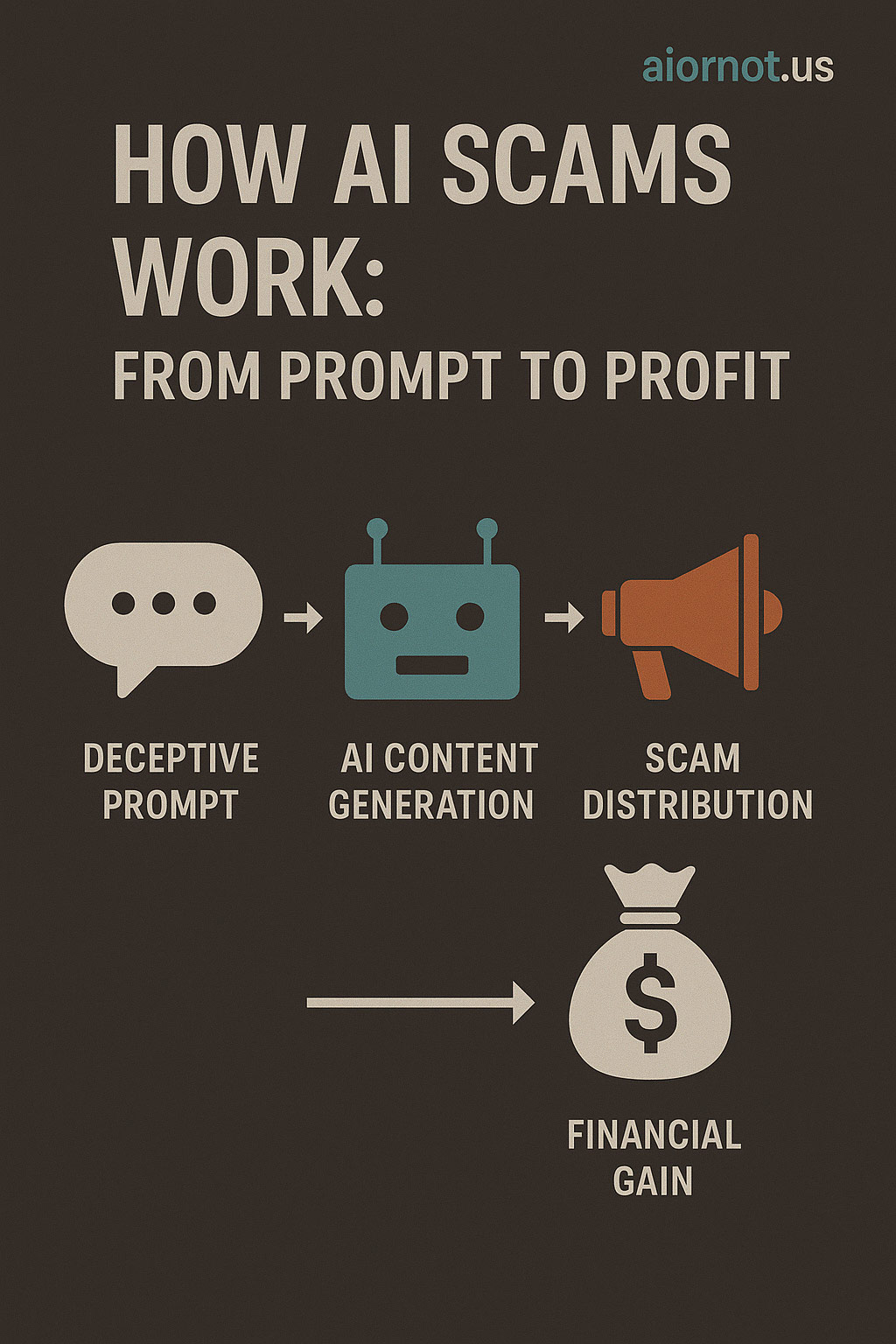
Scams start with believable content, then push for money, sensitive data, or emotional control. Pause, verify, and never rush decisions initiated online.
Get Better At Spotting AI Images By Playing The Game At AiorNot.US >>>