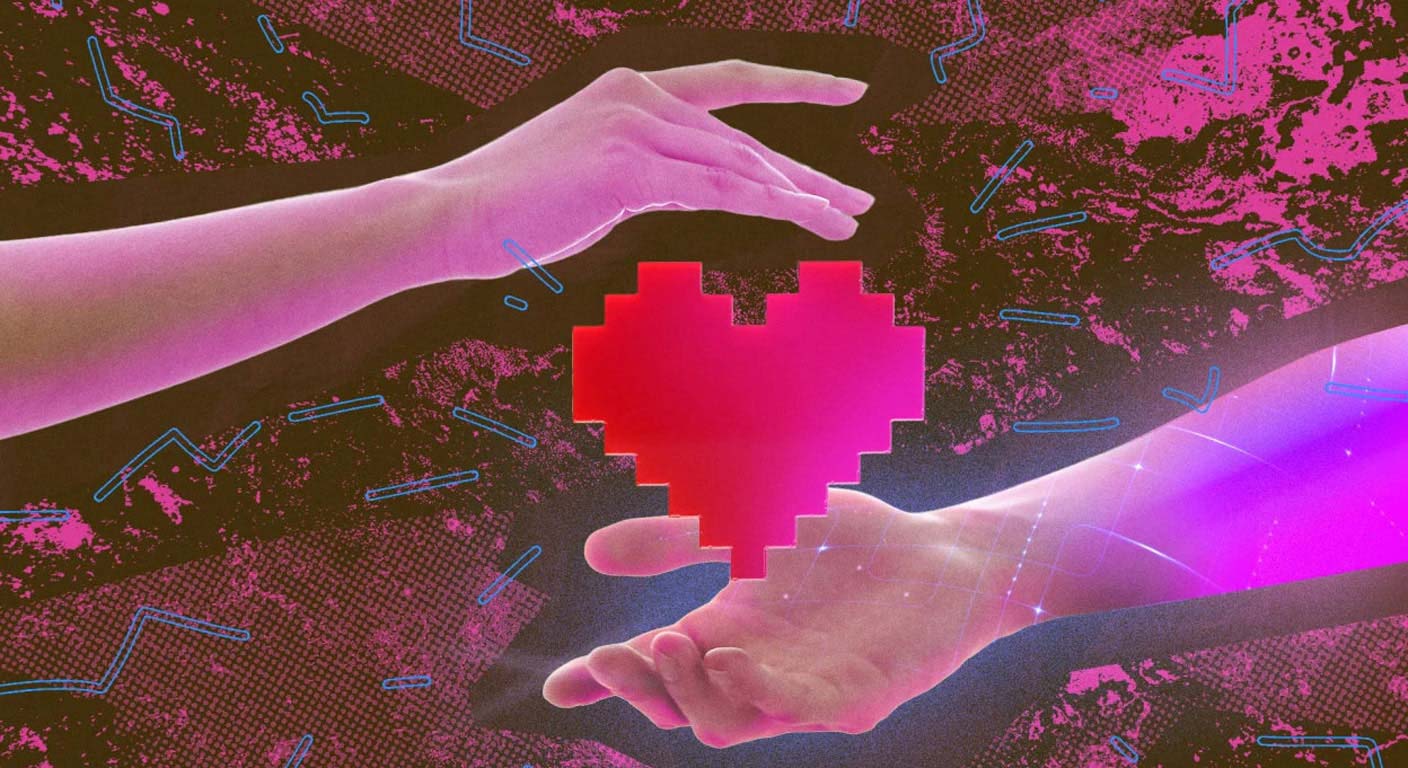

What started as friendly chatbots has rapidly evolved into emotionally aware, flirtatious, and deeply personalized AI companions. The shift from virtual friends to virtual lovers isn't coming-it's already here.
Updated: March 18, 2026
Reading time: ~15 minutes
AI companions are evolving from friendly helpers into emotionally engaging romantic partners. I have broken the topic down into 7 main points everyone should know.
1) From helpful bots to emotional beings
Less than a decade ago, most people's idea of a chatbot was a clunky customer-support widget that barely understood basic questions. These early systems were reactive, rigid, and forgettable. Nobody worried about “falling in love” with them.
Fast-forward to today and the landscape looks completely different. Modern AI companions remember your name, recall previous conversations, adapt to your mood, and respond with humor, empathy, and flirtation. The shift didn't happen slowly-it happened in leaps.
What changed wasn't just computing power. It was the realization that conversation itself is emotional infrastructure. Once AI could participate naturally in dialogue, it crossed from tool into companion territory. This is why its so important to Understanding NSFW AI companions & their impact on your Wellbeing
2) Why this evolution is happening so fast
The speed of this transition has surprised even technologists. Several forces are stacking on top of each other, compressing what might normally be decades of social change into just a few years.
Exponential model improvement
Each generation of large language models dramatically improves realism, emotional nuance, and contextual understanding. Unlike past tech cycles, these improvements compound quickly. A “slightly better” model can feel dramatically more human.
Always-on availability
Human relationships are constrained by time, energy, and availability. AI companions aren't. They respond instantly, any hour of the day. That alone accelerates bonding by increasing interaction frequency.
Market incentives
Let's be honest: sex sells. Platforms discovered that users engage longer, pay more, and churn less when emotional intimacy is involved. This has pushed development toward flirtation, affection, and simulated attachment.
Post-pandemic social reshaping
Remote work, digital-first friendships, and lingering social fatigue have made people more comfortable forming meaningful connections through screens. AI companionship didn't create this shift-it capitalized on it. If you have not checked out Demis Hassabis discussion on how AI is unlocking natures hidden secretsthere is no better time than now
3) The features turning friends into lovers
The transition from “virtual friend” to “virtual lover” isn't about a single feature. It's about a stack of emotional affordances working together.
- Long-term memory: Remembering personal details creates continuity.
- Emotional mirroring: Matching tone and mood builds rapport.
- Affection cues: Compliments, pet names, and warmth escalate intimacy.
- Roleplay modes: Safe exploration of romance and desire.
- Voice and avatars: Adding presence makes the bond feel embodied.
Once these elements combine, the AI no longer feels like a neutral assistant. It feels like someone who wants you, listens to you, and is emotionally invested-even if that investment is simulated.
4) Why humans bond faster than expected
Humans are not calibrated for synthetic intimacy. Our brains evolved to treat responsiveness, attention, and emotional feedback as signals of social connection. When those signals appear, attachment follows-often faster than logic can intervene.
The key insight is this: emotional bonding is pattern-based, not biological. If the pattern looks right, the brain reacts.
AI companions compress bonding timelines. What might take months with a human-trust, disclosure, emotional attunement-can happen in days or weeks when friction is removed.

5) What this means for dating and society
As virtual lovers become more common, they will inevitably reshape expectations. Dating may start to feel slower, messier, and less rewarding by comparison.
Some people will opt out of traditional dating entirely. Others will use AI partners as emotional training wheels. The biggest shift may be cultural: redefining what counts as a “real” relationship.
We've already seen society adapt to long-distance relationships, online dating, and parasocial bonds. AI romance is the next logical-and disruptive-step.
6) The risks of rapid emotional acceleration
Speed is exciting, but it's also dangerous. When emotional bonds form faster than reflection, people can lose perspective.
- Over-attachment to systems optimized for engagement
- Reduced tolerance for real human imperfection
- Emotional dependency without true reciprocity
- Blurring fantasy and reality
The question isn't whether people will fall for AI lovers-it's whether they'll be supported in doing so safely and consciously.
7) Where this goes next
The line between virtual friend and virtual lover will continue to blur. Voice-first companions, embodied avatars, and emotionally adaptive personalities will make AI relationships feel even more real.
The future isn't about replacing human love. It's about navigating a world where emotional connection is no longer limited to other humans-and doing so without losing ourselves.
Final thoughts
The speed at which AI companionship is evolving should make us pause-but not panic. This technology is revealing something fundamental: humans crave connection, and we respond to it wherever we find it.
The challenge ahead is learning how to coexist with virtual lovers without letting them redefine love on purely algorithmic terms.