
TED Talk summary • ChatGPT • OpenAI
I breakdown Greg Brockman's TED Talk on how ChatGPT works, why tools like DALL·E and memory matter, and the safety idea behind ‘deploy, learn, improve.'
Published: April 04, 2026 • Reading time: ~7–9 minutes
What this talk is really about
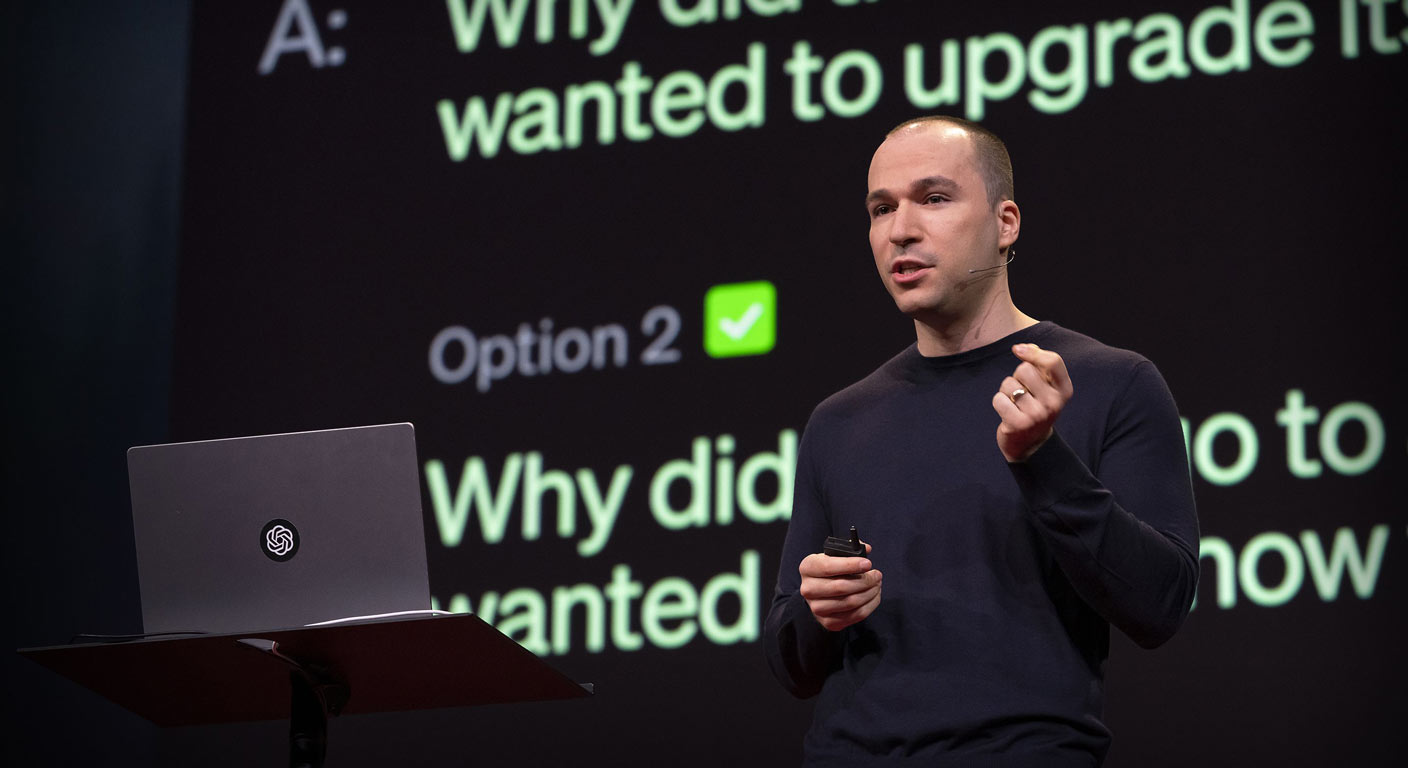
This TED Talk is not just a “look what ChatGPT can do” demo. It's Greg Brockman (Greg's X Account >>) trying to explain the design principles behind ChatGPT in plain language: why it feels like a breakthrough, why it still messes up in weird ways, and how OpenAI thinks about releasing powerful systems without lighting the world on fire.
The talk blends three threads: (1) live demos of ChatGPT using other systems, (2) a simple explanation of how these models are trained, and (3) a short but important conversation about risk, responsibility, and what happens when you put a general purpose tool in everyone's hands.
Learn more about the potential of ChatGPT reading: The Top LLM AI Models Ranked - Your Comprehensive GuideThe big idea: tools, not just chat
One of the strongest moments in the talk is Brockman's framing that we are learning how to build tools for an AI, not just tools for humans. In other words, instead of you opening five apps and copy pasting between them, you state your intent, and the AI decides which tools to use to get you there.
Examples he demos or describes
- DALL·E inside ChatGPT: ChatGPT writes a prompt and generates an image as part of the response, not as a separate workflow. Read More About It Here >>
- Memory: you can tell the system to save something for later, then use it downstream.
- App integrations: he shows the idea of the AI pulling in outside capabilities without you micromanaging every step.
Why this matters for the “AI or Not” world
When models can generate text and images and can do it with one smooth interface, synthetic media stops being “a niche thing” and becomes a default output. That means more amazing creativity, but also more convincing fakes, scams, and misinformation.
Quick Guide For Spotting AI Images Like A Pro Presented By AiorNot.USHow ChatGPT learns (in human terms)
Brockman breaks training down into two big steps. First, the model learns general patterns of language by predicting what comes next across a huge pile of text. Then comes the part most people miss: human feedback teaches the model what counts as helpful, safe, and aligned with what users actually mean. A Simple Breakdown Of How ChatGPT Works
His point is that feedback does not just “grade answers.” It shapes the model's process. That is why small changes in training and feedback can create big changes in behavior.
The practical implication
If you want better AI systems, user feedback and real world usage are not side quests. They are part of the training loop.
The “emergence” moment and why it surprises people
Brockman talks about how new abilities show up as models get bigger and better trained. This is the part that freaks people out and excites them at the same time: capabilities can appear that were not explicitly programmed in.
He even uses a math example to illustrate that the model can learn a “circuit” for a skill, but still fail to fully generalize in every case. That's a good reminder that these models can look smart in one direction and look oddly broken in another.
Safety: ship, observe, improve
The back half of the talk includes a conversation with TED's Chris Anderson. The vibe is basically: we have created something powerful, it is going to change fast, and the only responsible way forward is to take steps, learn from what happens, and keep adjusting.
Brockman also emphasizes the importance of broad participation and literacy. His argument is that if this technology will shape society, then society needs a real voice in how it is used, improved, and governed.
But Is ChatGPT? Safe We Explore: AI Safety & Regulations - What You Should KnowTakeaways you can use today
1) Stop treating ChatGPT like a fancy search box
The talk is basically a reminder that the “killer feature” is intent. The better you explain your goal, constraints, and preferred output, the more useful the system becomes.
More About ChatGPT: Sam Altman Discusses The Future of AI & OpenAIs Mission2) Tool use is the future
Whether it is images, documents, code, or shopping lists, the most useful systems will be the ones that can act across tools without you stitching everything together manually.
3) Assume there will be more synthetic media
If you create or consume content online, this is your heads up. Visual fakes will get better, faster, and cheaper. If you want to keep your instincts sharp, go play the game at AIorNot.us.
Sources
- Transcript reprint (for reference while writing): Singju Post
- Video page with summary and key insights: Glasp