
A Quick Breakdown of AI Image Creation
Before diving deeper, here is a simple way to understand how AI-generated images are shaping what you see online.
Creating visuals no longer requires design skills. AI tools can turn simple ideas into finished images in seconds.
Models are trained on massive image datasets and learn patterns they can recreate from text prompts.
Social media posts, ads, blog graphics, and even news visuals are increasingly influenced by AI.
AI images can look realistic enough to mislead, which makes understanding them more important than ever.
As the tech improves, the line between real and generated content continues to blur.
From Idea to Image in Seconds
Most people have had that moment where they picture something clearly in their head but have no way to bring it to life. Maybe it is a blog post that needs the perfect visual, or an ad concept you can describe but cannot design. Not long ago, turning that idea into something real meant hiring a designer, learning complicated software, or settling for a stock photo that never quite fit.
That is where AI image tools have quietly changed the game. Now you can type out a few words, something as simple as “a neon city at sunset with rain on the streets,” and within seconds you have something usable. It is not just about speed either. It gives people who are not designers a way to create visuals that actually match what they are thinking. Whether you are building a site, testing ad creatives, or just experimenting, these tools have made it easier to turn a rough idea into something you can see, tweak, and use right away.
The Expanding Influence of AI-Generated Images in Art and Advertising
The main roles of AI-generated images are rapidly expanding, pushing creative boundaries in both the art and advertising worlds. Using generative AI, artists and marketers can now produce high-quality visuals in a fraction of the time it once took. This technology isn't just about speed; it's about creating entirely new styles of digital art and visual content that were previously unimaginable.
Whether it's for a social media campaign or a digital gallery, each AI model offers unique capabilities for image generation. This influence is growing daily as more creators adopt these tools to enhance their work. Let's look at the core concepts behind this technology and how it has evolved.
Understanding AI-Generated Imagery: Definitions and Core Concepts
So, what exactly are AI-generated images? Simply put, they are pieces of digital art, graphics, or visuals created by generative AI algorithms. These AI models are trained on massive datasets of images from the internet, learning patterns, styles, and concepts to produce new images from scratch.
The core concepts behind this technology involve machine learning and deep neural networks. When you provide a text prompt describing what you want to see, the AI analyzes your input and generates an image that matches your description. This process of image generation allows you to transform your imagination into a visual reality.
This powerful capability is why AI-generated images play such a significant role in today's digital world. They offer a versatile solution for creating unique content for blogs, websites, marketing materials, and personal projects, making professional-quality digital art more accessible than ever before.
Historical Milestones and the Rise of Generative Image Technology
The journey of generative AI has some fascinating historical milestones. Early experiments with neural networks laid the groundwork, but the technology truly began to accelerate with the introduction of models like Generative Adversarial Networks (GANs). These networks consist of two parts-a generator that creates images and a discriminator that judges them-which work together to improve image quality over time.
This innovation sparked a rapid evolution in image generation. As researchers refined these techniques and developed more powerful models, the quality and realism of AI-generated visuals improved dramatically. The rise of diffusion models, another type of generative AI, marked another significant leap forward, enabling even more detailed and coherent outputs.
Today, one of the key emerging trends is the increasing sophistication and accessibility of these tools. What once required deep technical knowledge is now available through user-friendly platforms, allowing anyone to experiment with creating art and visuals with just a few clicks.
The Shift from Traditional to Digital Creation Methods
The impact of AI on the creative process is undeniable, marking a significant shift from traditional methods to new forms of digital creation. In the past, creating custom graphics or art required specialized skills in drawing, painting, or complex graphic design software. This often meant long hours and significant expense.
AI-generated images have streamlined this workflow. Now, you can generate concepts, create mockups, and produce final assets in minutes. This shift allows creators to focus more on ideas and experimentation rather than the technical execution of their vision. The creative process becomes more fluid and dynamic.
For digital content creation, this means faster turnaround times and a nearly limitless supply of unique visuals. Whether for a website banner or a social media post, the impact of AI is profound, empowering creators to produce more diverse and engaging content without being limited by traditional constraints.
KeyTerms: AI-generated images, digital art, advertising innovation
Let's clarify a few key terms. AI-generated images are any visuals created by an artificial intelligence program, typically from a text description. This technology is not just replicating existing images; it's creating entirely new images based on the patterns it has learned from vast amounts of data. This ability to generate novel content is what makes it so powerful.
The term digital art now encompasses these AI-created works. Artists are using AI as a new tool, much like a digital paintbrush or a camera, to explore new aesthetic possibilities and push the boundaries of their creativity. It's a new medium that blends human ingenuity with machine intelligence.
In the context of advertising innovation, these tools are game-changers. Brands can now create highly specific and customized visuals for their campaigns at scale. This allows for more targeted and dynamic advertising, representing a major leap forward in how companies connect with their audiences visually.
How AI-Generated Images Work: The Technology Behind the Scenes
Ever wondered what's happening inside an AI art generator when you type in a prompt? The magic lies in a complex algorithm powered by generative AI. This technology uses sophisticated neural networks, which are designed to mimic the human brain's ability to learn and recognize patterns.
When you provide a description, the AI model processes your words and scours its training data to understand the concepts. It then "imagines" and constructs an image pixel by pixel, blending different elements to match your request. Let's explore the specific algorithms that make this fascinating process possible.
Prominent Algorithms: GANs, Diffusion Models, and Neural Networks
Several types of algorithms power the AI models that create images. Understanding them can help you appreciate the technology even more. The most prominent ones include Generative Adversarial Networks (GANs), diffusion models, and other neural networks.
GANs feature a two-part system: a generator creates the image, and a discriminator evaluates it against real images. This competitive process pushes the generator to create increasingly realistic visuals. Diffusion models work differently, starting with random noise and gradually refining it into a coherent image based on your prompt. Here are some key models used by popular tools:
-
DALL-E 3: Used by Microsoft Copilot Designer and ChatGPT.
-
Stable Diffusion: A foundational model used by various platforms like Leonardo AI.
-
Firefly: Adobe's proprietary model, trained on its stock library.
-
Imagen: Google's powerful text-to-image model.
Each AI model and its underlying algorithm offer different strengths, from photorealism to artistic flair. This variety is why some tools are better for certain styles than others.
The Role of Data Training and Prompt Engineering
The quality of AI images depends heavily on two factors: the training data and your prompt. The AI model learns from a massive library of images and text descriptions, which forms its "knowledge base." The diversity and quality of this training data directly influence the AI's ability to generate accurate and varied results.
This is where prompt engineering comes in. A simple text prompt might give you a decent image, but a well-crafted image prompt provides specific details that guide the AI toward your desired outcome. Think of it as giving clear directions to an artist. The more descriptive you are, the better the result will be.
One of the biggest trends in AI image generation is the growing emphasis on prompt engineering. Users are learning to use specific keywords, describe styles, and set compositions to gain finer control over the final AI images. Mastering this skill unlocks the full creative potential of these tools.
Seamless Integration with Design and Creative Software
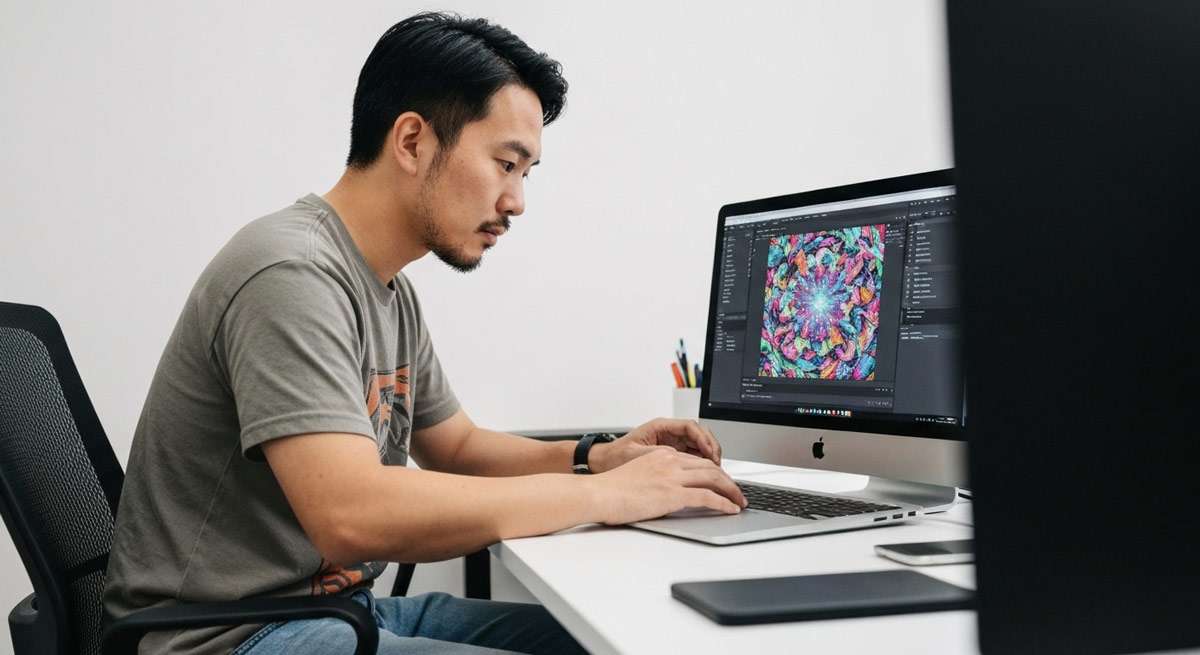
A major reason for the explosion in AI's popularity is its seamless integration with existing creative software. Platforms like Adobe are building AI art tools directly into their flagship products. For example, Adobe Firefly is integrated into Photoshop and Adobe Express, allowing designers to generate and edit visuals within their established workflow.
This integration makes the technology incredibly accessible. You no longer need to switch between different applications. The user interface is often designed to be intuitive, enabling you to generate images with a simple text prompt without leaving your project. This convenience is a huge benefit for professionals in graphic design.
This accessibility answers a key question: yes, AI image generators are very much for beginners. Many tools are designed with a friendly user interface, removing technical barriers and empowering anyone, regardless of artistic skill, to start creating high-quality visuals right away.
KeyTerms: text-to-image, generative models, prompt-based art
Let's break down some more terminology. Text-to-image is the core function of most modern AI art generators. It refers to the process where the AI model translates a written description (a text prompt) into a visual image. This is the fundamental technology that allows you to create art with words.
The engines behind this magic are known as generative models. These are a class of AI models, like the image model families of DALL-E or Stable Diffusion, specifically designed to create new content rather than just analyze existing data. They can generate text, music, and, of course, images.
This new form of creativity is often called prompt-based art. In this medium, the artist's skill lies not in wielding a brush but in crafting the perfect prompt. The words you choose, the style you describe, and the details you include all shape the final artwork, making the prompt itself a crucial part of the creative act.
Dominant Tools and Platforms for Creating AI-Generated Art
With so many AI art tools available, how do you choose the right one? The market is filled with powerful and user-friendly art generators that cater to different needs, from professional designers to hobbyists just starting their journey into digital art.
The most popular platforms stand out due to their output quality, ease of use, and unique features. Whether you need realistic images, anime-style characters, or commercial designs, there's an AI tool for you. We'll explore some of the top contenders and what makes them a favorite among creators.
Popular AI Image Generators: Midjourney, DALL·E, Stable Diffusion
Among the most popular tools, Midjourney, DALL-E, and platforms using Stable Diffusion models are often at the top of the list. Midjourney is renowned for its artistic and aesthetically pleasing outputs, though it no longer offers a free trial. DALL-E 3, integrated into ChatGPT and Microsoft Copilot, is excellent for its prompt adherence and realistic images.
Many platforms, like Leonardo AI, utilize versions of Stable Diffusion or their own custom models to offer specialized features. Each AI tool has its strengths. For instance, some are better at rendering text, while others excel at creating gaming assets or photorealistic portraits. Choosing the right AI art generator often depends on your specific creative goals.
Here's a quick comparison of a few popular free options to help you decide which AI tool to try first:
| Tool Name | Best For | Free Limits |
|---|---|---|
| Imagen 3 (via Gemini) | Realistic images, text rendering | Rate limits per hour, but no daily cap |
| Leonardo AI | Gaming assets, character design | 150 daily fast tokens |
| ChatGPT (GPT-4o) | Ghibli art, realistic images | Usage cap of 2-4 images per session |
| Freepik | Product mockups, illustrations | 20 AI images per day |
User Experiences: Accessibility for Artists and Beginners
One of the best things about modern AI art generators is their focus on accessibility. Developers have prioritized ease of use, creating platforms with a simple and intuitive user interface. You don't need to be a tech expert to start creating. In most cases, if you can type a sentence, you can generate an image.
This accessibility is especially beneficial for beginners and non-artists who have creative ideas but lack the technical skills to execute them. Many platforms offer a generous free plan, allowing you to experiment and learn without any financial commitment. These free tiers often provide enough credits to generate dozens of images per day or month.
The experience is designed to be encouraging. You can start with a simple prompt, see the results, and then refine your description to get closer to your vision. This iterative process makes learning fun and empowers everyone to become a creator.
Platform Trends in the United States
In the United States, several platform trends are shaping how people use AI image generators. There is a growing movement toward integrating these tools directly into social media and content creation platforms. This allows users to generate visuals on the fly for their posts, stories, and videos, making content production faster and more dynamic.
Another trend is the specialization of AI tools. While some platforms aim to be all-in-one solutions, others are carving out niches. You can find generators specifically designed for creating logos, architectural renderings, or even comic book art. This specialization provides users with more refined control and better results for specific tasks.
Finally, mobile accessibility is a huge trend. Many leading platforms now offer fully functional mobile apps, allowing creators in the United States and beyond to generate and edit images from anywhere. This on-the-go capability is making AI an even more integral part of the daily creative workflow.
KeyTerms: AI art tools, commercial design platforms, user-friendly AI
Let's define a few more terms to help you navigate this space. AI art tools are the applications and software that allow you to generate images using artificial intelligence. This broad category includes everything from web-based platforms to integrated features within larger software suites.
When it comes to commercial use, it's crucial to choose the right platform. Commercial design platforms like Adobe Firefly are specifically trained on licensed or public domain content, making the generated images safer to use for business purposes like marketing materials and product displays. Always check the licensing terms of any tool before using its images commercially.
The concept of user-friendly AI is central to the widespread adoption of these tools. It means that the technology is designed for everyone, not just experts. With simple interfaces and helpful guides, these design platforms are breaking down barriers and making powerful creative technology accessible to a global audience.
Roles AI-Generated Images Play in the Art World
AI-generated images are no longer just a novelty; they are carving out a serious role in the fine art world. Artists are embracing AI as a collaborator in their creative process, using it to explore new styles, generate initial concepts, and create complex artwork that would be impossible to make by hand.
This technology is challenging traditional definitions of art and authorship. From hybrid paintings that blend physical and digital techniques to purely AI-generated pieces, the resulting artwork is being featured in galleries and sparking conversations. Let's look at how AI is creating new mediums and influencing storytelling.
New Mediums: Collaborative Creations and Hybrid Artwork
AI is giving rise to entirely new art forms. One of the most exciting is hybrid artwork, where artists combine AI-generated elements with traditional mediums like painting or sculpture. This collaboration between human and machine pushes creative boundaries, resulting in pieces that possess both digital precision and a human touch.
Artists are using AI art tools not as a replacement for their skills but as a powerful assistant. An artist might use an AI to generate a dozen different compositions for a painting or create intricate background patterns that would take weeks to draw manually. This partnership speeds up the creative process and opens doors to new ideas.
This collaborative approach is also seen in creative storytelling and roleplaying, where writers and game masters use AI to visualize characters, settings, and scenes. It adds a rich visual layer to their narratives, making the stories more immersive and engaging for their audience.
Impact on Creative Storytelling and Visual Narratives
AI-generated images are revolutionizing creative storytelling. Writers, filmmakers, and game developers can now quickly visualize their ideas, creating concept art, storyboards, and character designs with unprecedented speed. This allows for rapid iteration and helps solidify a project's visual identity early in the creative process.
For independent creators, this technology is a game-changer. Do you have a story but lack the budget for an illustrator? AI can help you create stunning visual narratives, from comic book panels to illustrations for a children's book. It democratizes the ability to tell visually rich stories.
This immediate visual feedback can also spark new ideas. A surprisingly unique image generated by the AI might inspire a new character, plot twist, or entire world, making the creative process a dynamic dialogue between the creator and the machine. This is how AI is actively shaping storytelling.
Exhibitions, Galleries, and Media Coverage
The impact of AI is now visible in mainstream art venues. AI-generated artworks are being showcased in exhibitions and digital galleries around the world, proving that the art community is taking this new medium seriously. These shows often explore themes of technology, creation, and what it means to be an artist in the 21st century.
Media coverage has followed suit, with major publications and art critics debating the merits and implications of AI art. An example includes AI-generated pieces winning art competitions, sparking widespread discussion about authorship and creativity. This attention has helped legitimize AI as a valid artistic tool.
This exposure in the media and prestigious galleries is helping to educate the public and demystify the technology. As more people see the incredible potential of AI in a fine art context, perceptions are shifting from seeing it as a threat to recognizing it as a powerful new form of creative expression.
KeyTerms: creative process, digital galleries, innovative visual art
The creative process is fundamentally changing with the integration of AI. It's becoming more of a conversation, where the artist guides the AI with prompts and the AI responds with visual ideas. This back-and-forth can lead to unexpected and innovative visual art that neither the human nor the machine could have created alone.
Digital galleries are the perfect venues for showcasing this new art form. These online spaces can host interactive exhibitions, display animated AI art, and reach a global audience instantly. They are essential platforms for the dissemination and appreciation of art created with emerging technologies.
As the media continues to cover these developments, the narrative around AI art is evolving. It's being recognized not just as a technical curiosity but as a source of truly innovative visual art. This shift is crucial for its acceptance and integration into the broader cultural landscape.
AI-Generated Images in Advertising and Branding
Beyond the art world, AI-generated images are making a massive impact on advertising and branding. Businesses are using this technology to create unique, eye-catching visuals for their marketing campaigns quickly and cost-effectively. This allows brands to stay visually fresh and relevant in a fast-paced digital market.
From custom social media content to entire ad campaigns, AI is becoming a core part of the modern branding strategy. It offers a level of speed and customization that was previously unattainable. Let's examine some specific use cases and how AI is helping brands enhance their identity.
Use Cases for Campaigns: Social Media Ads and Product Imagery
Businesses are using AI-generated images in many creative ways for their marketing campaigns. One of the most common applications is creating compelling ad visuals for social media. Instead of relying on generic stock photos, brands can generate images that perfectly match their campaign's message, tone, and aesthetic.
This technology is also transforming product imagery. Companies can create professional-looking product mockups, placing their products in various settings without the need for expensive photoshoots. This is especially useful for e-commerce, where high-quality visuals are essential for driving sales.
Here are a few ways businesses are leveraging AI for marketing:
-
Custom Illustrations: Creating unique graphics for blog posts and website banners.
-
A/B Testing Visuals: Quickly generating multiple versions of an ad to see which performs best.
-
Concept Mockups: Visualizing new product ideas or campaign concepts internally.
-
Personalized Ads: Crafting visuals that appeal to specific customer segments.
Personalization and Rapid Content Production
One of the most powerful advantages of using AI in marketing is personalization at scale. A business can use an AI tool to generate thousands of visual variations tailored to different demographics, locations, or customer interests. This level of personalization can significantly increase engagement and conversion rates.
The speed of AI also enables rapid content production. In the world of social media, trends come and go in a flash. With AI, a marketing team can react to a trending topic and produce relevant visual content in hours, not days. This agility gives brands a competitive edge.
This combination of personalization and rapid production is fundamentally changing content creation strategies. Marketers can now be more responsive, experimental, and targeted in their visual communication, all thanks to the capabilities of modern AI tools.
Enhancing Brand Identity through Unique Visuals
A strong brand identity relies on consistent and recognizable visuals. AI offers powerful customization options that allow brands to develop a unique visual style. By using consistent prompts and style references, a company can ensure all its generated images align with its established branding strategy.
This capability frees brands from the constraints of stock photography, where competitors might be using the same images. Instead, they can populate their websites, social media feeds, and marketing materials with unique visuals that are exclusively theirs. This helps in building a stronger, more memorable brand identity.
Ultimately, AI empowers brands to tell their story in a more visually compelling and cohesive way. The ability to create a library of on-brand, custom images helps reinforce what the company stands for, creating a deeper connection with its audience.
KeyTerms: marketing campaigns, branding strategy, ad visuals
In the context of marketing campaigns, AI is a tool for creating dynamic and targeted content. It allows marketers to move beyond one-size-fits-all ad visuals and create images that resonate with specific segments of their audience, leading to more effective campaigns.
A modern branding strategy must be agile and visually consistent. AI helps on both fronts, enabling rapid creation of on-brand content while offering the tools to maintain a cohesive visual identity across all platforms. It's about being both fast and consistent.
The term ad visuals now includes this new category of AI-generated content. These visuals blend the creativity of digital art with the strategic goals of advertising. They represent a new frontier in how brands capture attention and communicate their message in a crowded digital landscape.
Navigating Authenticity: Can We Spot AI-Generated Images?
As AI-generated images achieve stunning levels of realism, a new question arises: can we tell them apart from real photos? The line between digital realism and reality is blurring, making authenticity a major topic of conversation. While some AI images have telltale signs, others are virtually indistinguishable from photographs.
This challenge has led to a growing need for image verification and a better understanding of what to look for. As the technology continues to improve, our ability to spot fakes will need to evolve as well. Let's explore some of the common giveaways and the tools that can help.
Telltale Signs: Visual Characteristics and Common Patterns
While AI is getting better, it still makes mistakes. Certain visual characteristics can give away an AI-generated image. Early models famously struggled with rendering hands, often producing images with too many or too few fingers. Though this has improved, hands and other complex details can still be a weak spot.
Another common pattern to look for is an unnatural smoothness or perfection. Sometimes, AI images have a glossy, airbrushed quality that lacks the subtle imperfections of a real photograph. Textures like skin or fabric might look slightly off, and backgrounds can contain bizarre or illogical elements.
Here are a few telltale signs that might indicate you're looking at a generated image:
-
Inconsistent Lighting: Shadows that don't match the light source.
-
Strange Details: Warped text in the background or objects merging unnaturally.
-
Unusual Anatomy: Oddly proportioned limbs or facial features.
-
Perfect Symmetry: Faces or objects that are too perfectly symmetrical can look unnatural.
Tools and Techniques for Image Validation
As it becomes harder to spot AI images with the naked eye, a new category of AI tool is emerging: detectors. Several platforms now offer image verification services that analyze a picture to determine the likelihood that it was created by AI. These tools look for subtle digital fingerprints left behind by the generation process.
These validation tools are not foolproof, but they can be a helpful first step in assessing an image's authenticity. They often examine the image's metadata and pixel patterns for clues that are invisible to humans. As generative models evolve, these detection tools will need to evolve alongside them.
Beyond technology, critical thinking remains a key technique. Consider the source of the image. Does it come from a reputable source? Does the context make sense? Questioning what you see online is more important than ever in an age where seeing is no longer always believing.
Public Perception and the Changing Nature of Realism
The rise of AI-generated images is changing public perception of digital content. As people become more aware of this technology, a healthy skepticism is growing. Many are learning to question the authenticity of images they see online, especially those that seem too perfect or sensational.
This shift is also redefining our understanding of realism. What does "real" mean when a machine can create a photorealistic image of something that never existed? The concept of digital realism is becoming more complex, blurring the lines between photographic truth and artistic creation.
Ultimately, the widespread use of image generation technology may lead to a greater appreciation for verified, authentic photography. At the same time, it opens up new creative avenues where the goal isn't to mimic reality but to create fantastical and imaginative worlds.
KeyTerms: image verification, authenticity, digital realism
Let's clarify these final terms. Image verification is the process of confirming the origin and integrity of a digital image. This can involve using specialized software to detect signs of AI generation or manipulation, as well as traditional fact-checking methods.
Authenticity in the digital age refers to the trustworthiness of a piece of content. An authentic image is one that is what it purports to be-a genuine photograph of a real event, for example. The proliferation of AI images has made the quest for authenticity more challenging and more important.
Digital realism describes the ability of computer-generated graphics, including AI images, to mimic the appearance of the real world. As this technology advances, the standard for digital realism gets higher, making it increasingly difficult to distinguish between what is real and what is generated. This makes Understanding AI images better more important than ever.
Ethical Considerations and Emerging Challenges
The power of AI image generation comes with significant ethical considerations. As this technology becomes more widespread, we must address important questions about copyright, bias, and responsible use. Who owns an image created by an AI? How do we prevent these tools from perpetuating harmful stereotypes?
Navigating these challenges requires a commitment to transparency and fairness from both developers and users. Establishing clear guidelines around intellectual property rights and licensing is crucial for building a sustainable and ethical creative ecosystem. Let's explore some of these key ethical dilemmas in more detail.
Copyright, Ownership, and Licensing in AI Art
One of the biggest ethical debates revolves around copyright and ownership. (Understanding Copyright Issues With Ai Images) Who holds the intellectual property rights to an image created by an AI art generator? Is it the user who wrote the prompt, the company that developed the AI, or does the image belong to the public domain? The legal framework is still catching up to the technology.
In the United States, current guidance suggests that purely AI-generated works without significant human authorship cannot be copyrighted. This has major implications for creators and businesses looking to protect their visual assets.
Because of this legal uncertainty, understanding the licensing terms of each platform is critical. Some tools grant you full ownership and commercial rights to the images you create, while others have more restrictive policies. Always check the terms of service before using generated images for commercial projects.
Bias, Representation, and Societal Impact
AI models learn from the vast amount of data they are trained on, which includes images and text from the internet. Unfortunately, this data reflects existing societal biases. As a result, AI images can sometimes perpetuate stereotypes related to gender, race, and culture. This is a significant ethical concern.
Tackling this bias is a major challenge. If an AI consistently generates images of doctors as men and nurses as women, for example, it reinforces harmful stereotypes. Developers are actively working on techniques to make their models more equitable and improve representation.
The societal impact of biased AI can be profound, so it's important for users to be mindful of this issue. When generating images of people, consider being specific in your prompts to encourage diverse and inclusive results. Pushing for better representation is a shared responsibility.
Transparency, Disclosure, and Responsible Use
Transparency is key to the responsible use of AI. This means developers should be open about how their algorithms work and what data they were trained on. For users, it means being honest about when they are using AI-generated content, especially in contexts like journalism or social media where authenticity is expected.
Some platforms are embracing disclosure by automatically adding watermarks or metadata to indicate that an image was created with an AI tool. This helps prevent misinformation and ensures that viewers are not misled.
Ultimately, responsible use comes down to intent. AI can be used to create beautiful art, helpful marketing materials, and fun visuals. However, it can also be used to create deceptive deepfakes or harmful content. As users, we have a responsibility to wield this powerful technology ethically and thoughtfully.
Some Final Thoughts
AI-generated images are transforming the landscapes of art and advertising, offering new possibilities for creativity and innovation. These technologies not only enhance artistic expression but also streamline marketing efforts with personalized and visually captivating content. As we embrace this digital era, understanding the nuances of AI-generated imagery becomes essential for both artists and marketers. By navigating challenges like authenticity and ethical considerations, we can fully harness the potential of these tools while fostering a responsible creative environment.
Frequently Asked Questions
What industries benefit most from using AI-generated images?
Industries like marketing, advertising, graphic design, and content creation benefit immensely from AI images. Generative AI models allow them to create custom digital art and visuals for marketing campaigns quickly. This technology streamlines workflows and provides a nearly endless source of creative content.
Are AI image generators accessible to beginners and non-artists?
Absolutely! Most AI image generators are designed with accessibility and ease of use in mind. Their user-friendly AI interfaces allow anyone, regardless of artistic skill, to create impressive art. Many art generators offer free plans, making them perfect for beginners who want to experiment without any commitment.
What trends are emerging in the use of AI for creating advertising visuals?
Key trends in advertising visuals include hyper-personalization and rapid content creation. Brands are using AI to generate ad visuals tailored to specific audiences and to react quickly to social media trends. This agility allows for more dynamic and effective marketing campaigns.