
Key Highlights
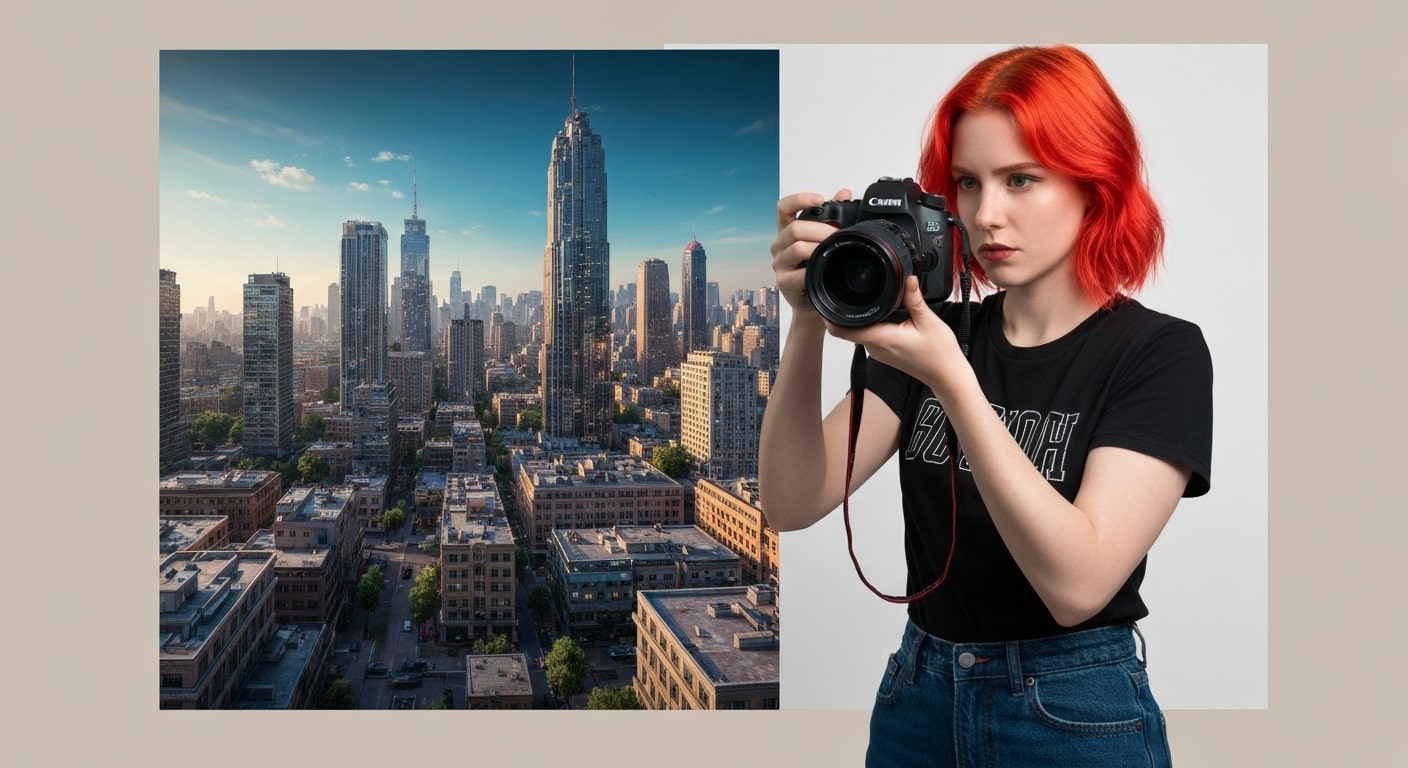
- Artificial intelligence is changing the photography industry. It helps people with editing by itself and gives new ways to work. Generative AI tools let creators make strong visuals from easy text prompts. This help the creative process and make it better. Could AI-generated images replace traditional photography? While AI-generated images offer exciting possibilities for visual creation, many experts believe they currently complement rather than fully replace traditional photography. AI tools can automate and enhance certain aspects, but traditional photography remains vital for capturing unique, real-world moments and authentic storytelling within the creative process. Therefore, although AI-generated images are powerful, they are not poised to completely replace traditional photography at this time, but instead serve as an additional resource in the evolving photography landscape.
- Generative AI tools let creators make strong visuals from easy text prompts. This helps the creative process and makes it better. AI makes work faster and helps improve image quality, but it is still important to keep the human touch and artistic vision. While AI is increasingly used to generate and enhance stock photography, it has not made stock photography obsolete. Many clients and projects still require authentic visuals created by humans, which embody artistic vision and maintain the human touch. Traditional stock photography remains valuable for its authenticity and the unique perspective that human photographers can offer, making it unlikely for AI to fully replace stock photography in the foreseeable future. Ethical concerns like copyright, how real the images are, and bias are a big part of talking about AI in photography.
- AI makes work faster and helps improve image quality, but it is still important to keep the human touch and artistic vision. While AI is increasingly used to generate and enhance stock photography, it has not made stock photography obsolete. Many clients and projects still require authentic visuals created by humans, which embody artistic vision and maintain the human touch. Although AI continues to evolve, it's unlikely that photography as we know it will completely disappear, as the value of human creativity and authenticity remains irreplaceable. Ethical concerns like copyright, how real the images are, and bias are a big part of talking about AI in photography.
- Ethical concerns like copyright (Who Owns The Copyright Of Ai Images?), how real the images are, and bias are a big part of talking about AI in photography.
- AI is not the end of old ways. It be an evolution and give photographers strong tools to work with others and grow their creativity.
Introduction
The fast growth of artificial intelligence is changing the photography industry in many ways. The way you edit photos is not the same as before, and images can now be made from scratch with AI. This technology is making big changes in digital photography. There are many new things you can try, but it can also make people feel unsure. Some ask if this is the end of photography, while others see it as a good tool. Let's look at how artificial intelligence is changing the way we take pictures.
How AI Is Transforming Photography Today
The use of AI is already changing the photography world in big ways. You do not need to spend hours making small changes by hand. Now, you can use AI tools to make your image quality better with just a few clicks. This saves a lot of time in post-production. It also lets you focus more on the creative side of your work.
However, while AI is transforming photography, it is unlikely to make photography as we know it disappear. Instead, AI will continue to enhance and expand creative possibilities, but the art of capturing moments and expressing a unique point of view will remain central to photography.
The rise of AI is changing what it means to create an image. It is not just about basic edits anymore. Now there are new ways to make visual content. In the next parts, you will read about some key changes. These include automated editing and smart cameras. They are making it easier for you to take photos and improve them. While AI is transforming the process and expanding creative possibilities, photography as we know it is unlikely to disappear. Instead, AI tools are redefining the art, making it more accessible and allowing new forms of expression, while traditional photography continues to thrive alongside these innovations.
Must See: The Best Ai Images From 2025From Automated Editing to Generative Imagery
One big way AI is changing how we use photography is by making editing faster. AI tools can now do jobs like color correction and sharpening in less time. Advanced algorithms make it easy to get better image quality. You do not have to spend hours on these tasks anymore. With these tools, your images look good without a lot of work.
This automation helps you pay less attention to the tech side and more to your creative ideas. For example, with AI auto-enhance, these tools make a basic photo look professional. They make your whole editing process simpler and faster. In creative industries, this way of working is now common.
Generative AI does more than just editing. The tool lets you make pictures from text. With apps like DALL-E and Midjourney, you can get new and one-of-a kind images. This lets the people create stories that feel fresh to all. Generative AI is changing how we tell stories with pictures like never before.
Machine Learning and Enhanced Image Recognition
Machine learning is at the center of these changes. Artificial intelligence uses big sets of pictures to train its algorithms. By doing this, these artificial intelligence algorithms learn to see and change photos at the pixel level. This brings very good and clear upgrades to images that make the overall image quality much better.
Imagine you have to sort out thousands of photos from an event. With better tools that can read images, you can use face search to find a person right away. This smart way of sorting helps you make albums or pick out photos for a gallery much faster. It makes the process feel easy, and you will not miss any key moments.
Features like eye gaze correction and face swaps use these smart tools. You can fix small things in a photo, like someone with one eye closed or someone not smiling enough. This helps keep the picture real but also makes it look better.
Smart Cameras and Real-Time Adjustments
The change is not only part of post-production. It is also being added to smart cameras. Today, digital cameras and many smartphones use advanced AI algorithms. These algorithms help to make real-time changes as you take pictures. They help you get the perfect shot from the moment you press the button.
Have you ever tried Night Mode or Portrait Mode on your phone? The features use AI. It looks at the scene and picks the best settings. It makes changes to lighting, focus, and exposure. You get better image quality, and you do not have to be an expert to use it.
In the future, cameras might get even better. AI could help you set up your photos and offer ideas for new angles. This new technology acts like a smart helper. It works with you to try new things and see what you can get when you take a picture.
Creative Possibilities Opened by AI Tools
AI tools are opening up new creative possibilities that are more than just photo editing. Now, with generative AI, you can use text prompts to make detailed and lifelike pictures. These images let you try out ideas that you can imagine but cannot take with a camera. This means the creative process can go further and do more than ever before.
This brings up a good question. Does all this new technology make human creativity less important? Or does it give artists a new way to show what they feel and think? In the next parts, you will see how AI is helping people with artistic expression. It is also helping people work together in new ways.
Expanding Artistic Expression Through AI-Generated Images
Generative AI is changing how you look at artistic expression. It gives you tools to make images that you could not make before. With text prompts, AI makes new pictures that feel like dreams or show ideas that are hard to explain. The line between taking photos and making digital art is now not so clear.
This way of making things has people talking about what art really is. A few artists use machine learning during the creative process now. AI acts as a partner and helps them come up with new ideas and more options. When human creativity and machine learning work together, they make art that makes us think again about what art can be.
Exhibitions now show these AI-made visuals. They welcome people to think about memory, history, and what art is. You can see that AI does more than copy real life. It lets artists find new ways to create and explore.
Unique Visual Styles Made Possible by Algorithms
The use of advanced algorithms is making it possible to come up with new ways to see images. Generative models can learn from millions of photos. These models can make work that looks different and can surprise you. This gives you a chance to build a style that is unique. Some styles you get with these models are hard to make with old tools.
These artificial intelligence algorithms do more than just copy what they see. They mix things together in new ways. A lot of people in the creative industries find this gives them endless ideas and different styles to try. It helps them get past creative blocks and look into new ways of doing things.
Whether images made by AI count as art depends on how you look at it. If the creative process uses AI as just one tool, with humans leading the work and making choices, many people say this still be called authorship. The end result comes from both what the artist wants and what the algorithm can do.
Collaboration Between Photographers and AI Systems
AI tools are now working with human photographers, not taking their place. The best way forward is to use both ai tools and people. People bring feel and ideas. AI brings sharp answers and clear skills. When the two work together, you get stronger, better creative results. AI is here to help, not to take your place.
This new creative process needs us to learn some new skills. You may have to get good at writing clear prompts. You will also need to know how to guide AI to match what you want. Creative directors are now using AI in the way they work. They use AI to help make mood boards or to come up with first ideas.
Even when you use AI, you still need people. The creative process is very important for deep client briefs. You may bring in stylists and location scouts to help out. Their ideas can guide the AI, so the final work comes from both people and AI. Human skills lead the way for this team effort.
Authenticity, Creativity, and the Value of Human Touch
As AI makes images look more real, people in the photography world now think more about what is true and what is not. If an image can be made or changed a lot by a computer, what does "real" really mean? This makes us rethink how we see creative work and why the human touch matters so much.
This mixing of real and AI-made photos could lower the special touch that you, as the photographer, give to your work. People now ask if photos made with AI are still real photography. The next parts will talk about this argument and show ways to keep your point of view in a world that is more digital.
Defining Authentic Photography in the Age of AI
Right now, with artificial intelligence, what we think of as real images is changing. The meaning of honest or true photography is not just about taking a photo without any changes. It could also be about what the person wants to show and the idea that they have in mind, no matter what tools they use.
The human connection is important. A photo often gets true emotion from the photographer's own life and from how they talk with the person in the picture. AI cannot do this by itself. This feel and touch puts real life into a photo.
To keep things real, you need to be open. Being honest about your creative process, like how you use AI, helps people trust you. When you show that your work brings together both old and new ways, it helps people feel what you want to say. Being clear about your goal matters, even if you use new tools like technology in your creative process.
Good Read: Why Its So Hard To Detect Ai Generated ImagesCan AI-Produced Images Be Considered Art?
The question about if images made by generative ai can be called a real art form is now a big debate. Some people say generative ai takes ideas from pictures that are already there, so it does not have true originality. They think art needs a human touch and that people must be behind it at every step to make it feel real.
Some people think AI is just a tool, like a camera or a paintbrush. They say that the artistic vision of the person telling AI what to do is the most important thing. If you use AI to help you bring a creative idea to life, and you make lots of choices and changes along the way, the finished image can be seen as art.
In the end, this debate is much like what happened when people first saw photography and compared it to painting. Over time, people began to see photography as its own art form. As AI technology keeps getting better and more artists try it out, AI-created images will likely get their own spot in the art world, too.
Preserving the Photographer's Vision Amid Digital Advancements
With more people using digital photography and advanced AI algorithms, it is now more important to keep your own style as a photographer. AI can help you with some tasks and even offer editing tips. But it cannot take the place of your personal look and ideas. The technology should help you bring out your vision, not control it.
You need to keep your voice strong by using the things AI can't do: telling stories, building feelings, and sharing your own point of view. People use their own creativity and that helps make a strong picture. The way you guide the creative process, with a camera or an AI tool, makes the final result feel like it belongs to you.
To do well today, you need to focus on working with AI as a partner. Look for tools that help your skills grow, not ones that just do everything for you. This way, even when technology keeps getting better, your own style will still be the main part of your work.
Impact on Professional Photographers and the Photography Industry
The rise of AI is now changing the photography industry. This brings new chances but also some problems for people who work as professional photographers. Many worry that automation may cause job displacement in jobs that need a lot of technical work. But AI also opens up new ways to work in commercial photography and creative industries.
So, what does this change mean for your career and future at work? You will need to be flexible. In the next parts, you will read about the different skills you need, what happens to stock and commercial jobs, and the new chances that come up in this AI world.
Shifting Skill Sets: What Photographers Need to Compete
To keep up in your field, you will need to add the integration of AI to your skills. You do not have to be a coding expert for this. Many new AI tools have intuitive interfaces. This means you can use them even if you have limited technical skills. The important thing is to know how to use these tools in the best way.
Your worth will be more about your creative ideas and your vision. Learning how to write good prompts for generative ai or guide advanced algorithms to get the look you want will be a key skill. This change will shift the focus from how to get the work done to thinking of new ideas.
Now, working together and having a clear plan matter more than ever. Creative directors and photographers who can connect their ideas with what AI can do will see more people wanting what they offer. The ones who know how to guide this new technology, not just use it, will stand out as top visual artists for years to come.
The Role of AI in Stock Photography and Commercial Work
AI tools are changing the way we use stock photography and do commercial work. Instead of looking for the right photo, companies can now use ai tools to make custom images for what they need. This makes things more flexible and can save a lot of money, especially when it comes to product photography and ads.
Tools like generative fill let you add or take out items in an image easily. There are also virtual staging tools that can set up furniture in an empty room for a real estate ad. This kind of customization is changing how we use stock photography. Instead of picking from a set list of photos, you get to make your own changes.
AI gives us new ways to work with images. But it will not make stock photography disappear. The way we use and sell stock photography will change. People will still want real photos taken by humans. This is important in cases when we need pictures to show things honestly.
| Aspect | Traditional Workflow | AI-Powered Workflow |
|---|---|---|
| Image Creation | Requires a physical photoshoot with models, locations, and props. | Images can be generated from text prompts, reducing physical needs. |
| Customization | Limited to retouching and editing existing photos. | Nearly infinite customization with generative fill and text-based edits. |
| Speed & Cost | Time-consuming and expensive, involving multiple professionals. | Fast and cost-effective, producing content in minutes. |
| Use Case | Best for capturing authentic moments and real people. | Ideal for conceptual ads, product mockups, and virtual staging. |
New Opportunities and Emerging Challenges for Photographers
AI is bringing the market some new challenges, like too many similar things sharing the same space. But it also opens up fresh chances. For people in the creative industries, this could be your time to change what you do at work. New jobs are popping up now-things like "prompt engineer" and "AI content curator." These roles help connect technology and art.
When you use ai tools, you can grow your creative services. You will not give clients only photos. Now, you can make new visual worlds that fit their style. This helps you do more work fast without losing quality. It lets you take on bigger and more creative jobs.
The key is to see AI as someone who works with you in your creative process. The photographers who do well will be the ones who try new things and find good ways to use these tools in their work. Now, the challenge is not only to take a great photo. It is also about creating a strong visual story and using every tool you have.
Ethical Questions and Community Perspectives
The fast rise of ai tools in the photography industry brings many ethical concerns to light. As pictures and videos made by ai tools show up more on social media and in ads, people start to worry about things like truth, who owns the pictures, and spreading false news. Now, it is more important than ever to ask how we can use these new things in the right way.
These tricky choices need careful thought from all the people involved. This includes developers, artists, and the public. The next parts look at big topics like copyright, openness, and how algorithms can be unfair. These will show what the community thinks about how much AI is now part of our lives.
Copyright, Ownership, and Transparency in AI Images
A big ethical problem with generative ai images is about copyright and who owns the work. These ai models get trained on a lot of photos, and many times the original photographers do not say yes to this. This brings up the question of if using an artist's style in your prompt is fair use or if it breaks copyright rules.
The question of who owns content made only by AI is tough to answer. If an image comes from an algorithm, it is hard to know who should get the rights for it. This gets even more complicated if the AI-created model looks a lot like a real person. That can bring up legal fights about who has the right to use it.
To avoid any problems, it's important to be honest. A lot of people say that pictures made by AI, or ones that are changed a lot by AI, should tell us they are AI images. This way, people know it is not a real photo. It helps stop anyone from getting the wrong idea and builds trust with everyone watching.
Good Read: Who Really Owns The Copyright Of An AI Image?Public Perception and Industry Response to AI's Growing Influence
The way people feel about AI is not all the same. Many people feel excited about what AI can do with new ideas. At the same time, some worry that it might spread fake news, mostly because deepfakes are getting popular on social media. In the industry, you can see this mix of feelings, too. Many professionals use the technology, but they also wonder about its effects.
Change can be hard for some people, and the rise of ai in the photography industry is the same. A lot of people still remember when cameras changed from film to digital. People worried at first. The ones who learned new things and tried new ideas did well. Now, agencies and artists try to make good rules and ways to work with these changes.
The industry is responding in several ways:
- Establishing Ethical Guidelines: Many agencies are making their own rules for how they use AI. For example, they label pictures made by AI.
- Focusing on Human Creativity: A lot of professionals want everyone to see the value in ideas and work from real people. They feel that teamwork and a human touch help their work stand out.
- Pushing for Innovation: Some see AI as a way to try out new ideas. They use it to reach creative limits, make something new, and offer different services.
- Advocating for Transparency: More people want clear rules. This helps everyone know what is real and what was made by AI.
Addressing Bias, Fairness, and Responsibility in AI-driven Visual Media
A big worry with AI-driven visual media is the risk of bias. Advanced ai algorithms use existing data to learn. When they do this, the ai can take in and repeat social or cultural stereotypes found in that data. This means the images it makes might not be fair or true. It can lead people to have wrong ideas about a group or person.
Making sure things are fair is something all of us need to do. The people who build AIs need to use more mixed and open training sets. This helps cut down on these biases. For you, as someone who makes things, it is important to look at what the AI gives you. You should check what it says for any stereotypes before you use it.
The most important thing is to balance trying new things with being careful. It is clear that AI is always changing and growing. There needs to be a regular talk between people like artists, technologists, and ethicists. By doing this, everyone can make sure the tools AI gives us help make art better for all of us. People must also see that the work stays true to the artist and does not create or spread any harmful beliefs or ideas.
Conclusion
As the world of photography keeps changing with artificial intelligence, there are both good things and tough parts to think about. AI helps make photos better and faster. But, it does make people wonder about how real photos feel and the special touch human photographers give their work. For anyone working with photography, it's important to blend new tools with the real feel of art.
Traditional ways most likely won't go away. Instead, artificial intelligence and human photographers can work together to create something new. This teamwork lets us find new ways to tell stories with pictures. If you want to know what AI can do for your own photos, feel free to ask for a free consultation!
Frequently Asked Questions
Will AI-generated images eventually replace traditional photography?
It is not likely that AI-made images will fully take the place of traditional photography. While AI can make visuals that fit certain creative industries, the need for real moments caught by human photographers will still be there. It is better to see AI as a new tool. It will go along with and add to what we already get from traditional photography.
What ethical concerns should photographers know about when using AI?
When you use ai tools, you need to think about some ethical concerns. There are still problems with copyright about the data used to train a system. You should also be open and let people know if you use ai tools. Try not to let your work pass on any biases to others. It is important to handle these issues the right way. This helps to keep trust and show you act in a good and professional way.
Do photographers need technical skills to compete in an AI-driven landscape?
You do not need to be an expert coder to use many AI tools. A lot of these ai tools have easy and intuitive interfaces. What matters most is knowing how to lead the creative process when there is integration of ai. This is about having vision and guiding the direction, not just knowing the technical side of things. Doing this can help you avoid job displacement.
Is AI the End of Stock Photography?
While AI is transforming stock photography by automating image creation and selection, it doesn't spell the end. Instead, it complements human creativity, offering new tools for photographers. Stock photography will evolve, integrating AI to enhance accessibility and efficiency while maintaining the value of unique, authentic imagery.
Get Better At Spotting AI Images By Playing The Game At AiorNot.US >>